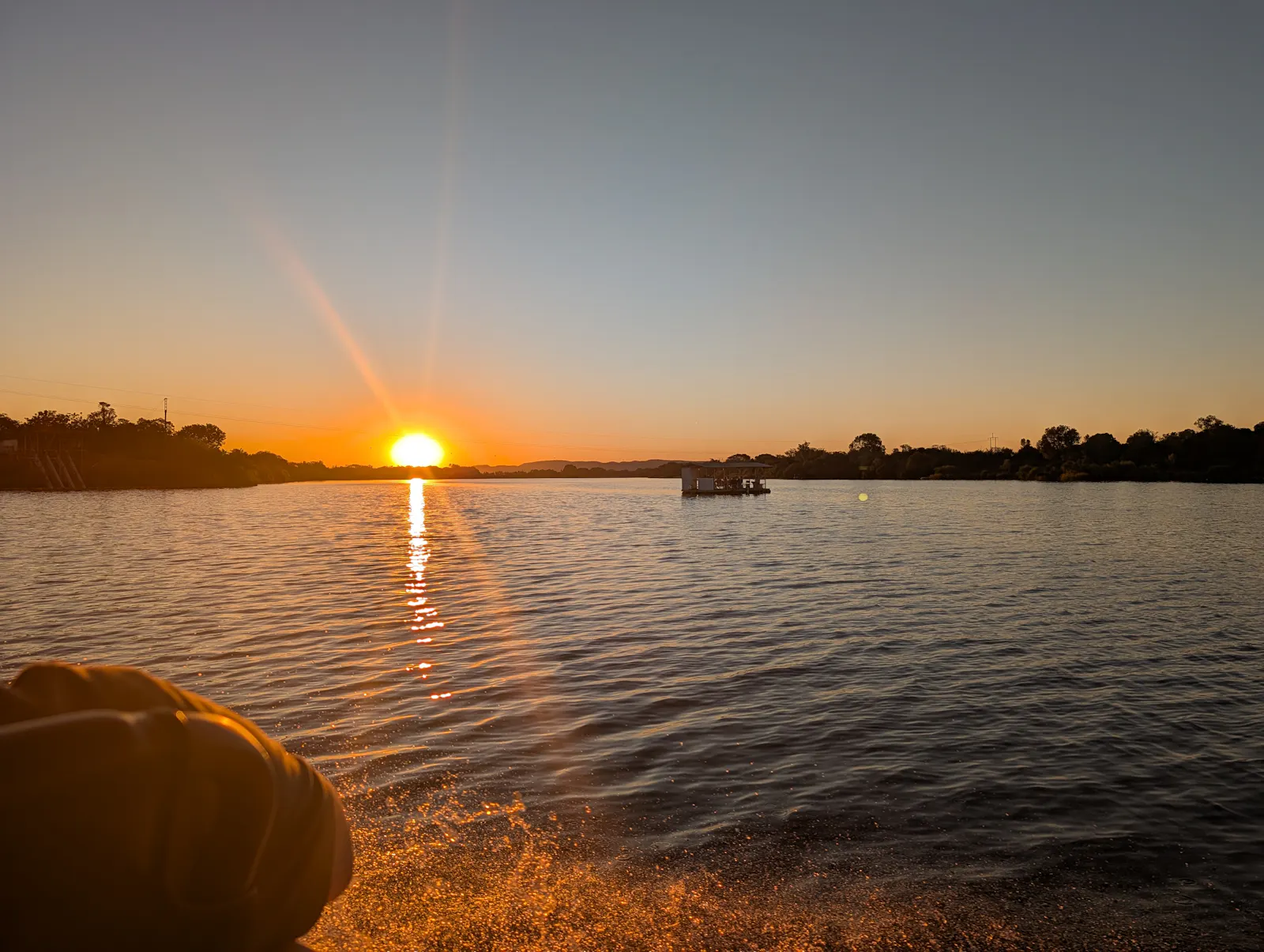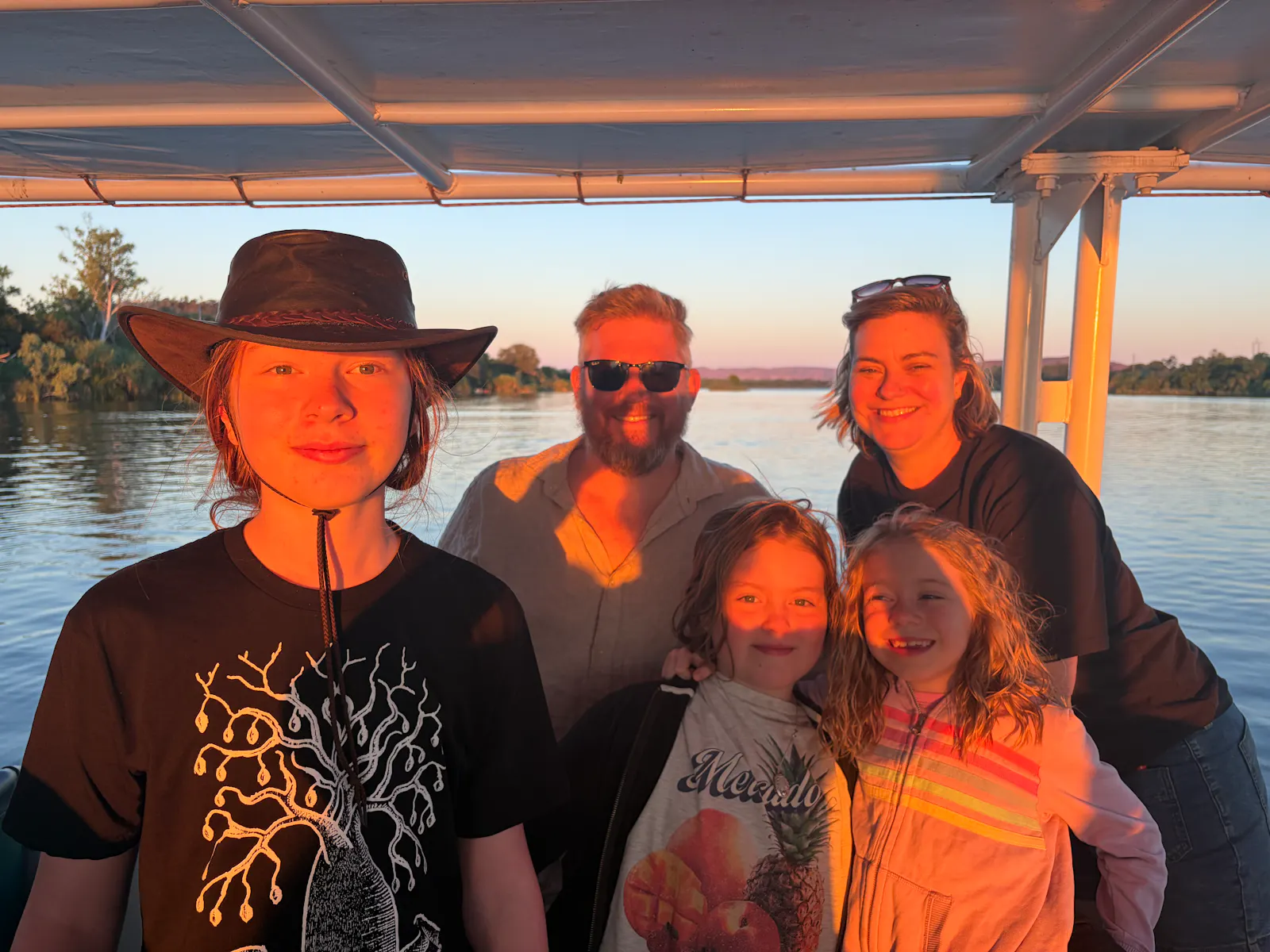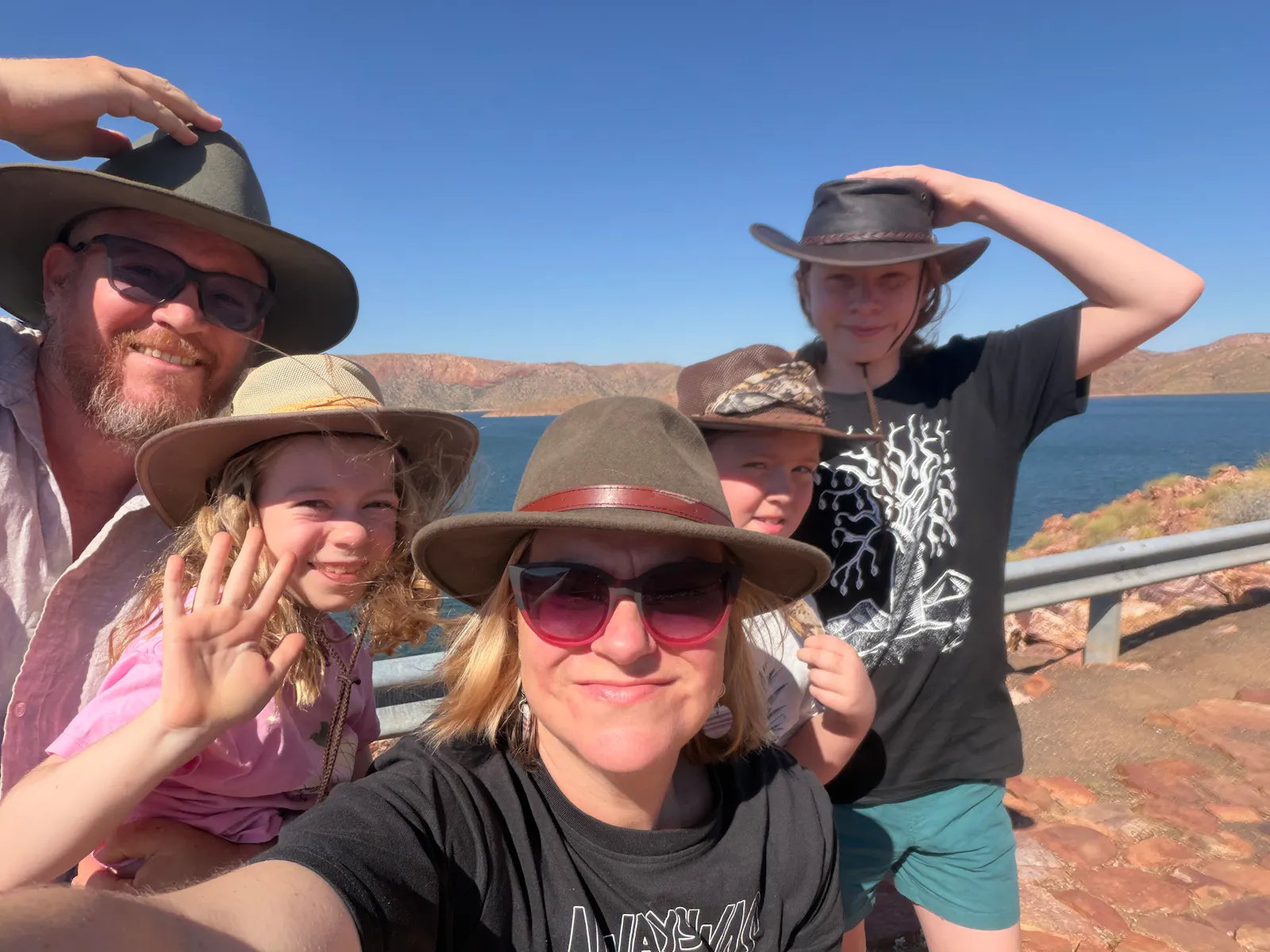
On our last full day in Kununurra we took a tour to Lake Argyle, including the Argyle Homestead Museum, which finished in a cruise down the Ord River into Lake Kununurra as the sunset.
We were picked up from the caravan park for the half an hour drive out to Lake Argyle, with a first stop at the Argyle Homestead Museum. The museum was housed in the old stone house from the original Argyle Station, one of the original stations of the Durack family who were one of the first families to make their way to the Kimberly in the late 1880s. By the middle of the 20th century, plans had been developed to dam the Ord River to harness the huge amounts of water that flows into the river every wet season, in order to facilitate irrigated farmland in the region. Argyle Station was chosen as the site for the dam and lake, so the original homestead building was packed up, stone by stone, and put into storage. Once the dam had been built the homestead was rebuilt on a hill overlooking the new lake and opened as a museum. My favourite room of the museum was the one in which the Durack family acknowledged the contribution of the local Aboriginal workers in the foundation and successes of the Durack family's stations.
After a short visit to the museum, we headed out to the dam wall, driving past the fancy caravan park with an infinity pool that we didn't get a chance to take for a test run - maybe we'll have to go back one day!
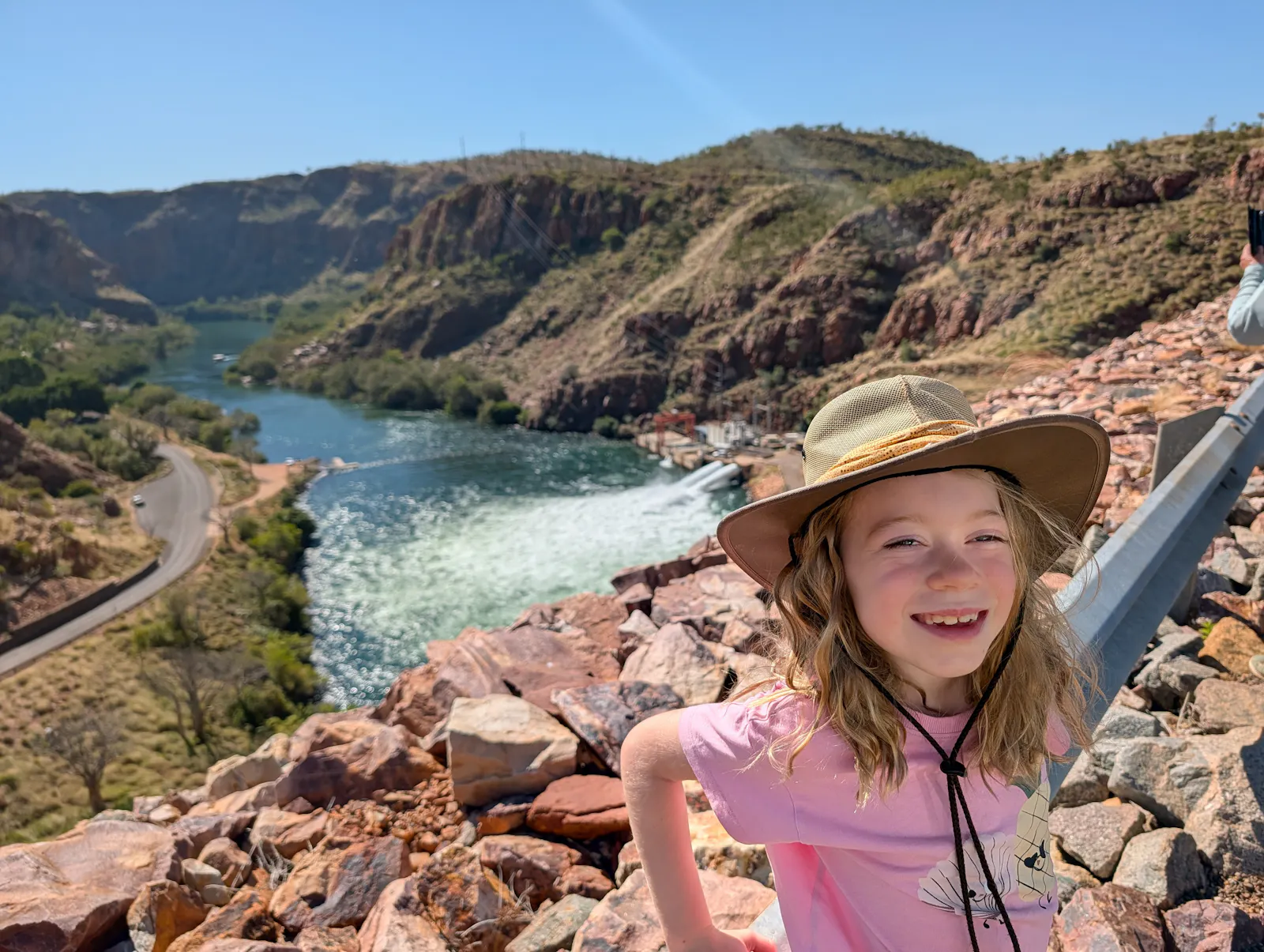
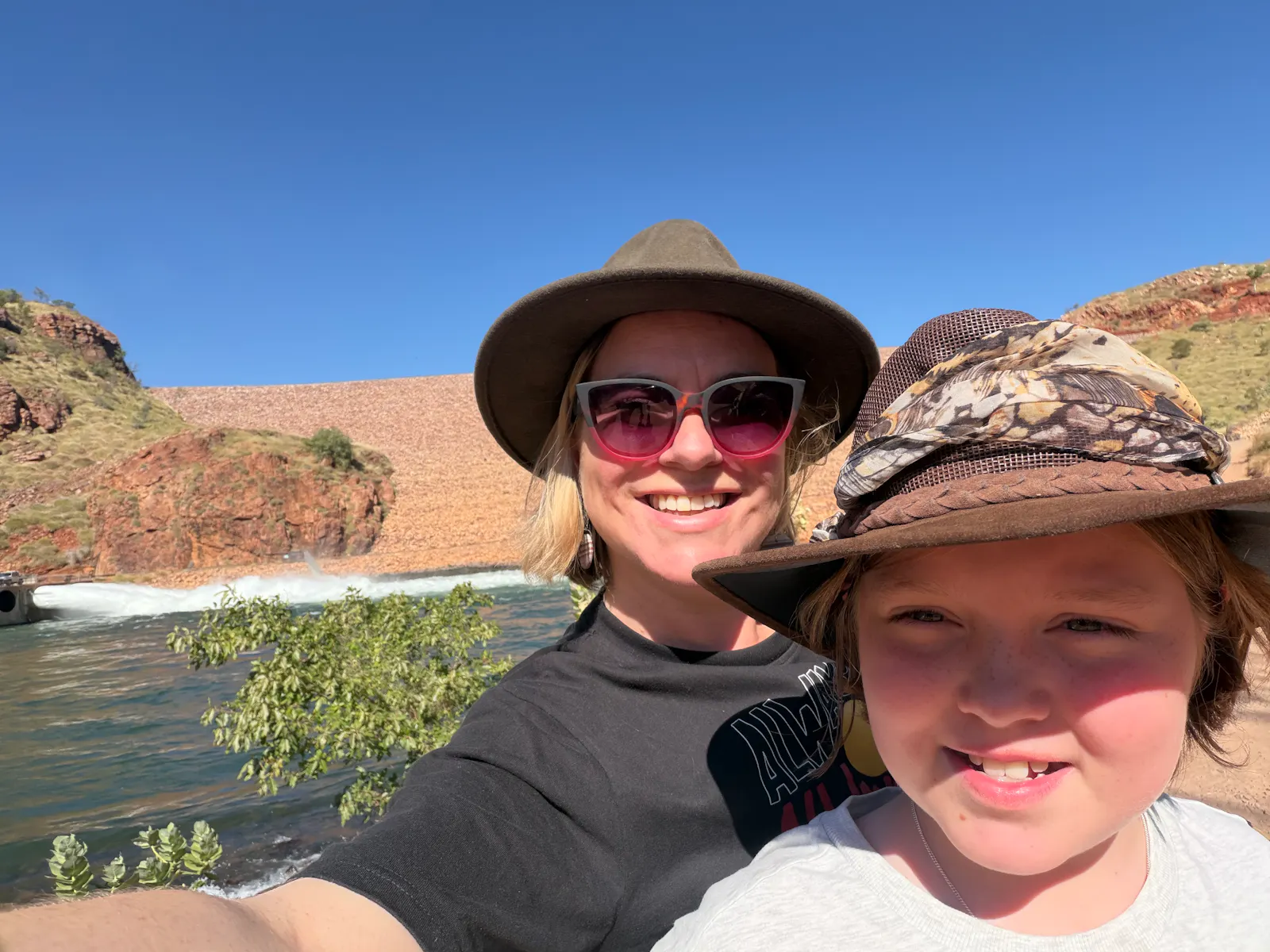
We learned that a hydro-electricity station had been retro fitted to the dam to power the nearby Argyle Diamond mine, but now that the mine has closed the water that had been used for that purpose just flows into the river. Apparently it would be too difficult to install the infrastructure to use the hydro-electricity to the power Kununurra, which is a shame. Similarly, Lake Argyle contains enough water to keep Perth in drinking water for years, but the cost of the infrastructure to transport the water over the required distance is prohibitive. Finally, we also learned that the dam wall is made of 2 million tons of rock that was created by a large explosion just near the site of the dam that was, at the time in 1970, the largest non-nuclear explosion in Australia's history.
Then it was time to jump on our speedy boat for a 4 hour cruise down the river. We weren't quite sure what to expect, but it really was a whole lot of fun, as the next lot of photos demonstrate!
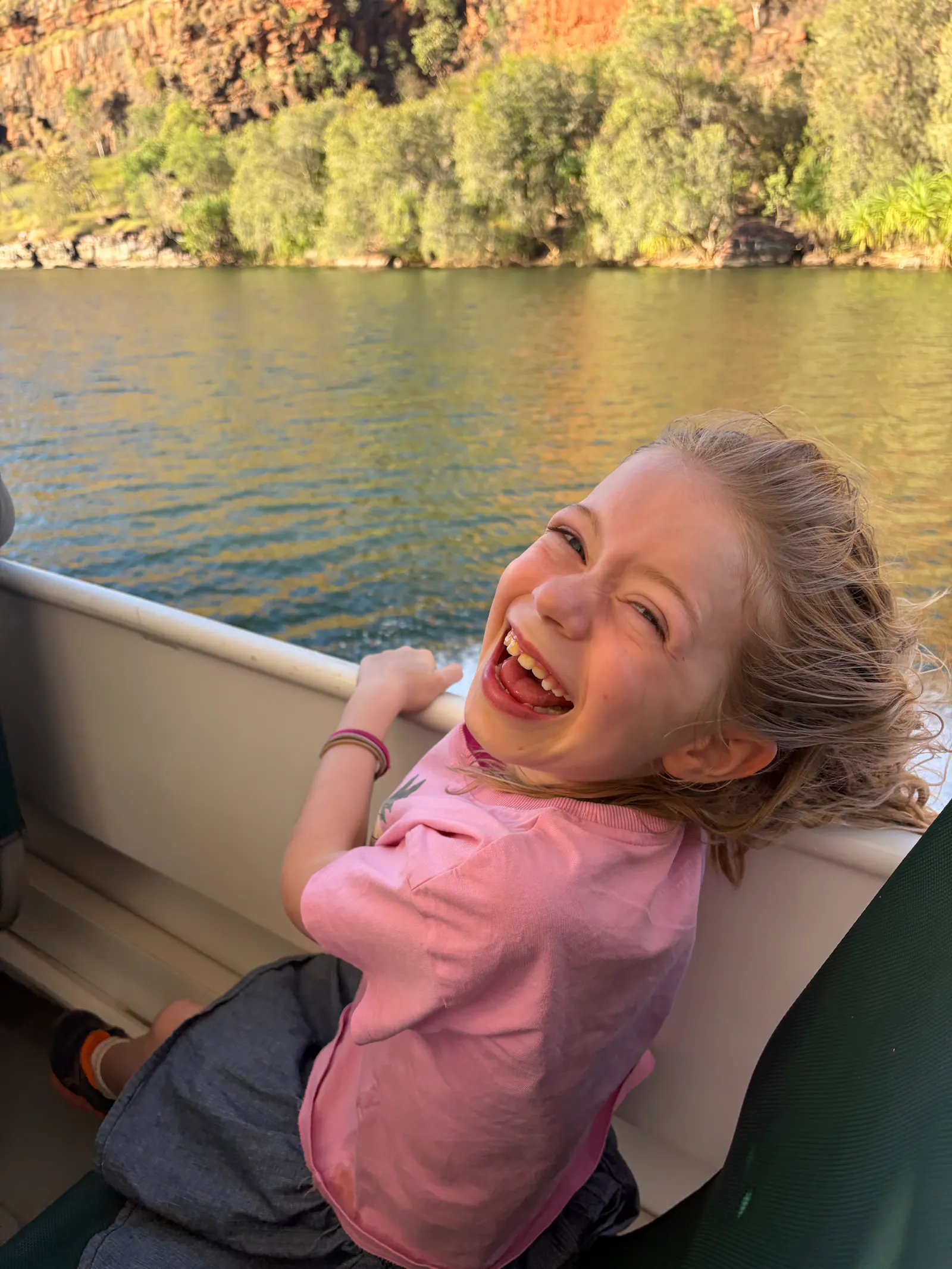
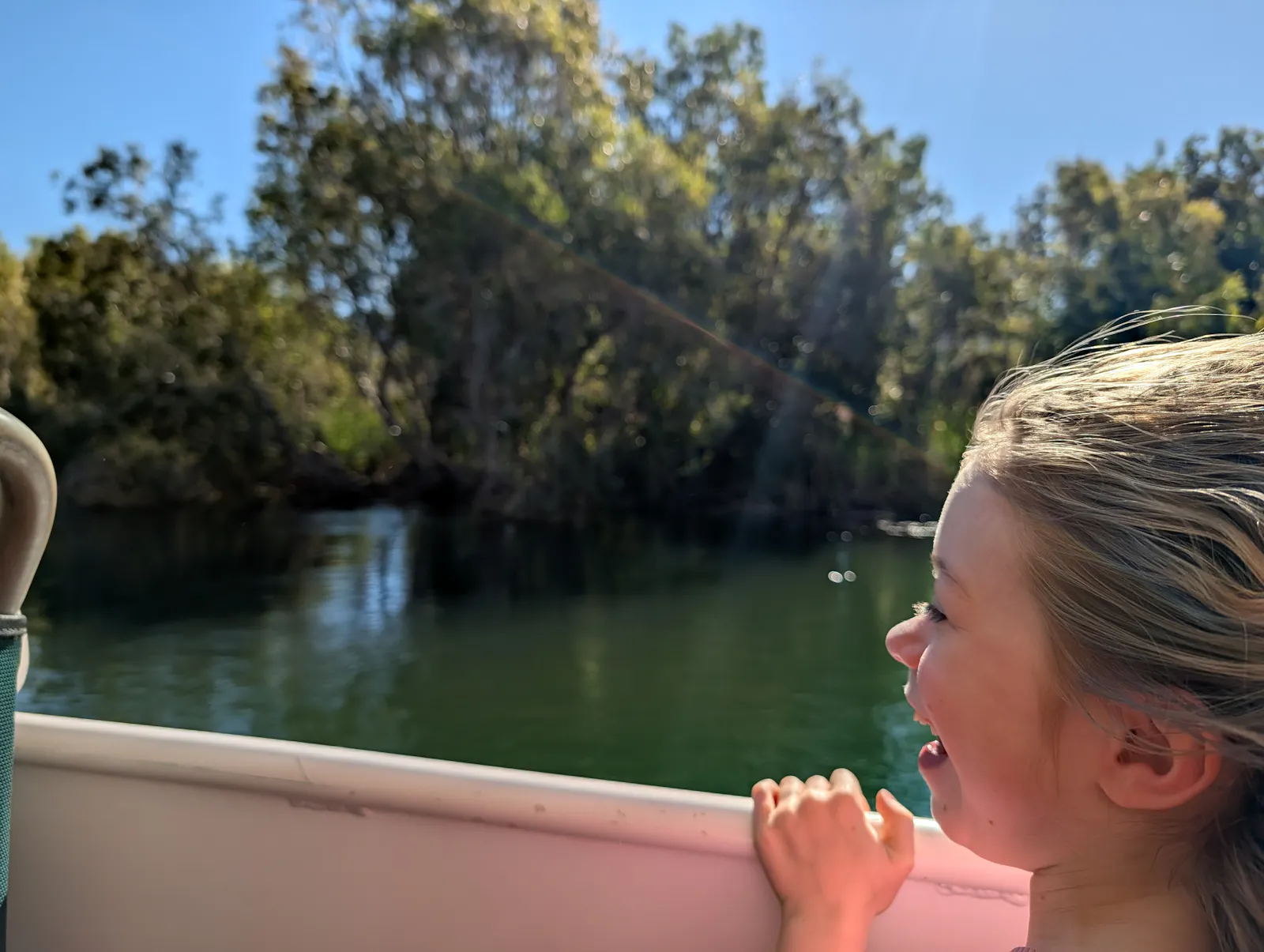
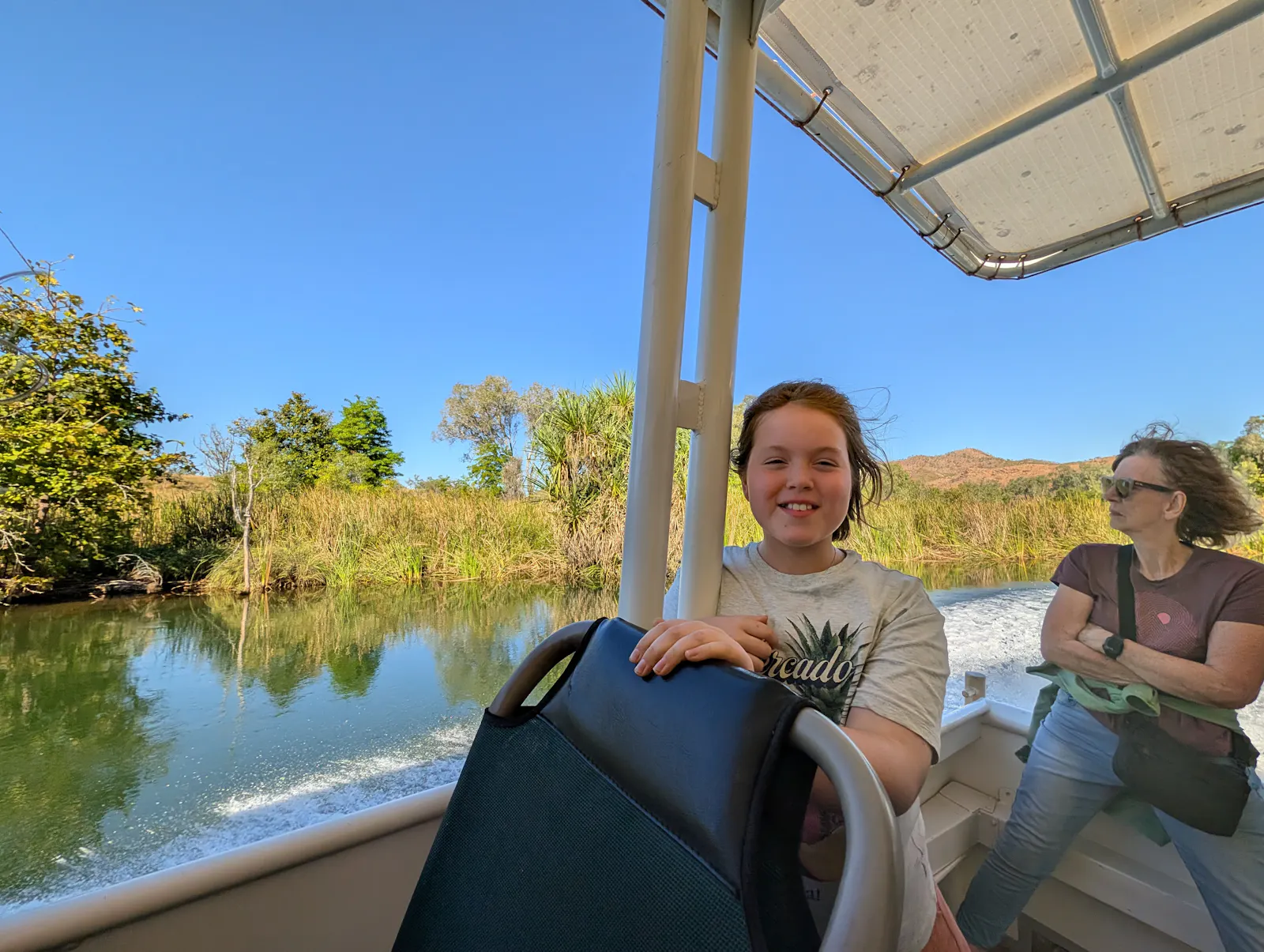
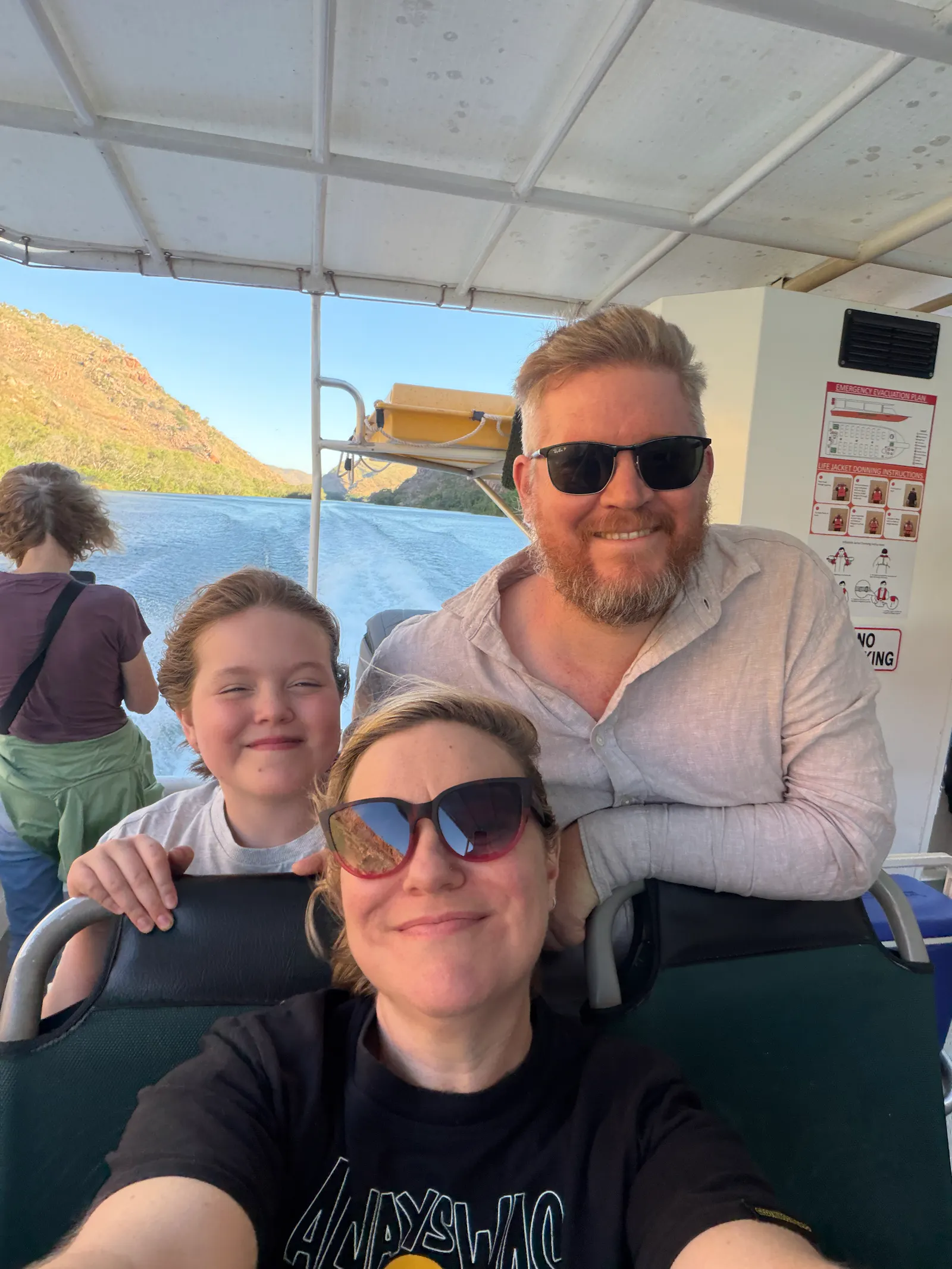
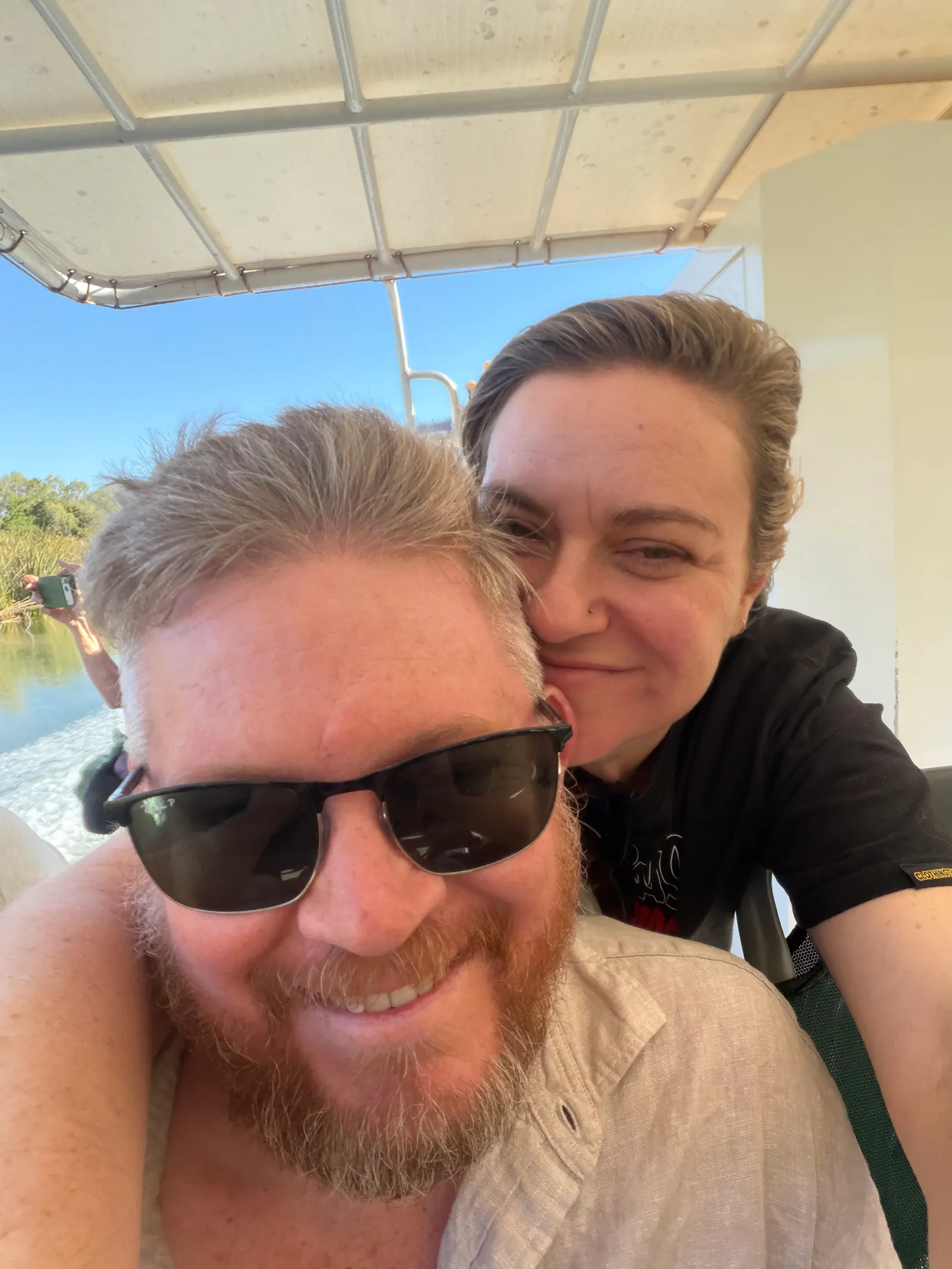
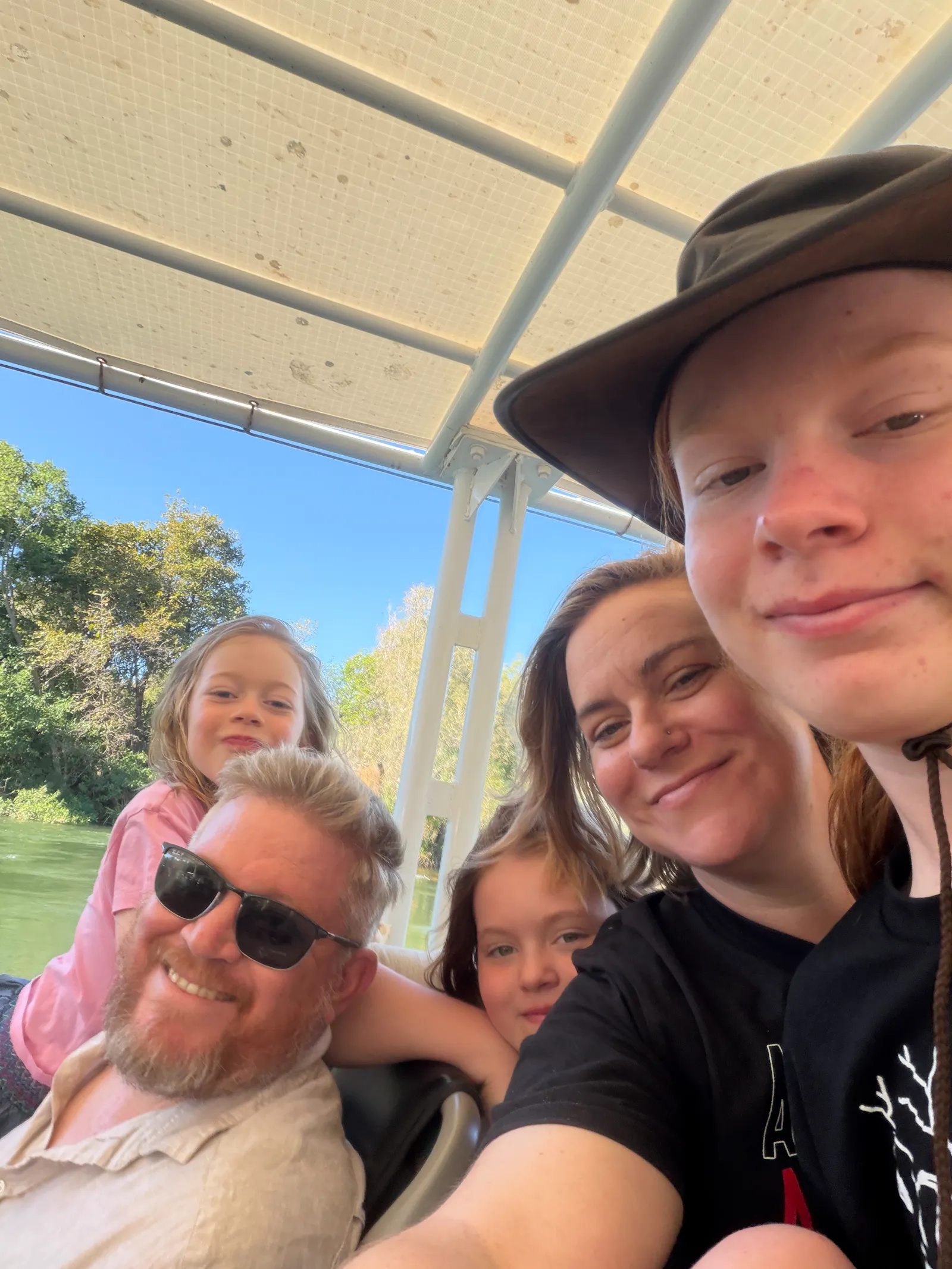
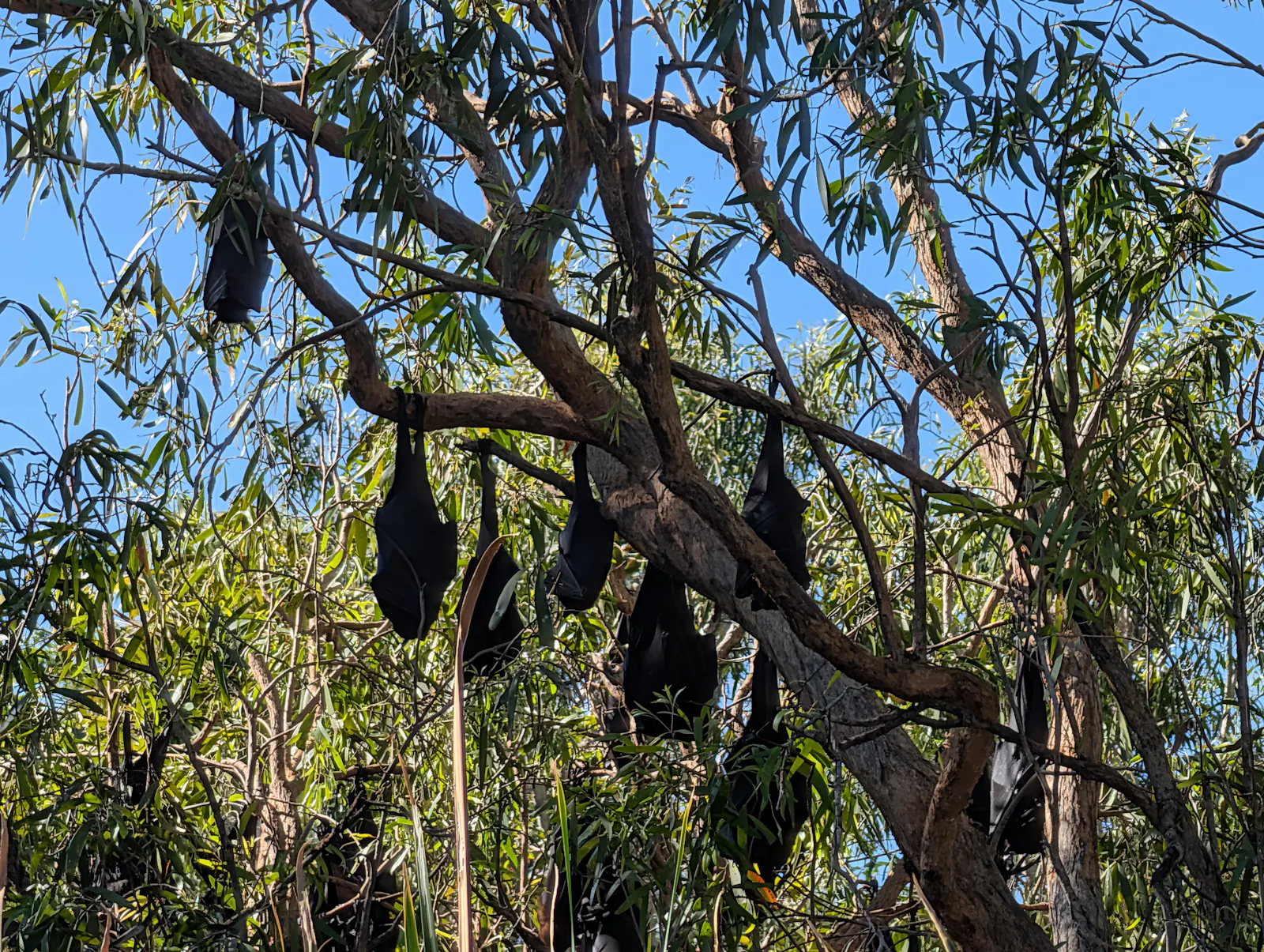
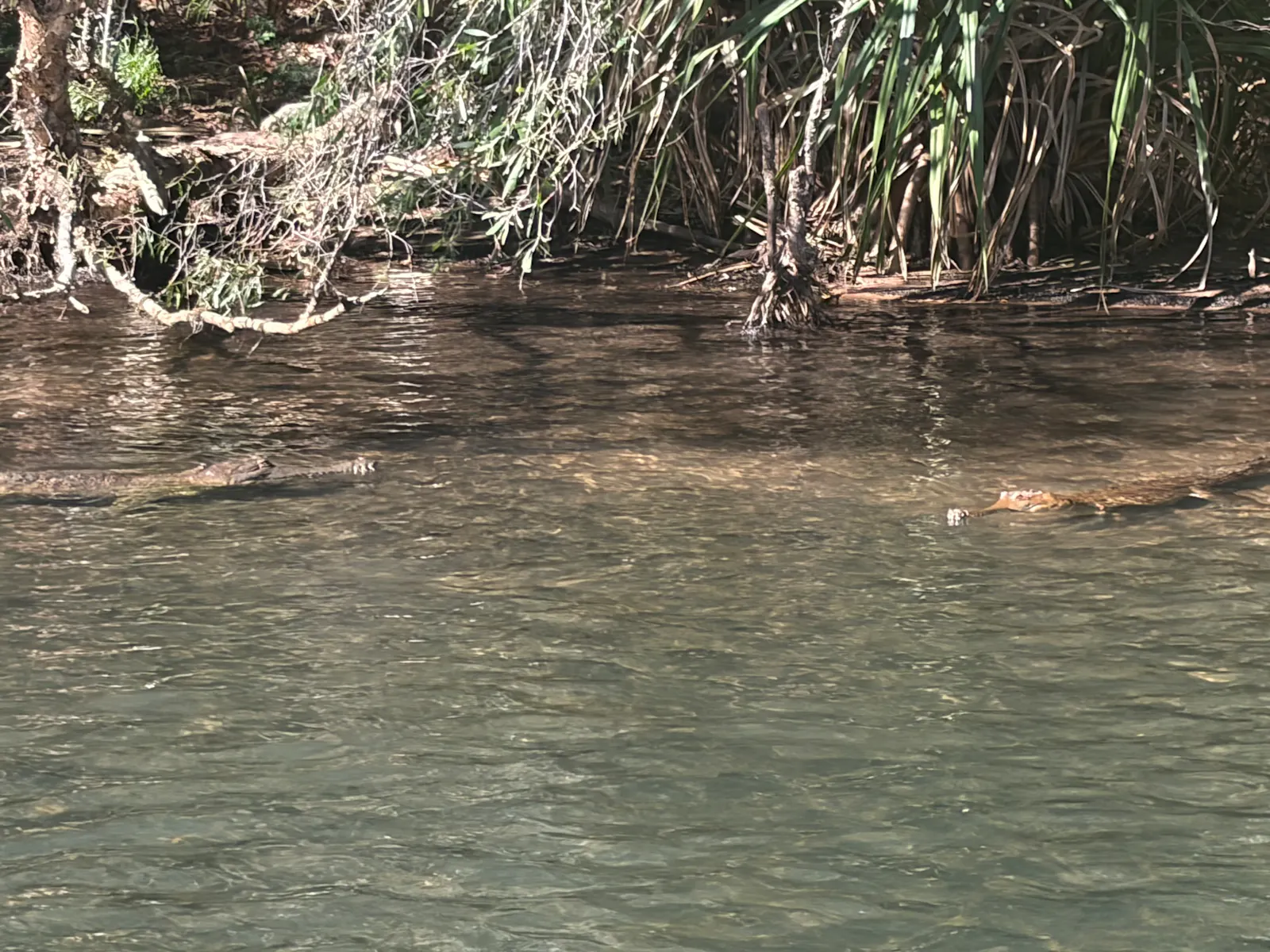
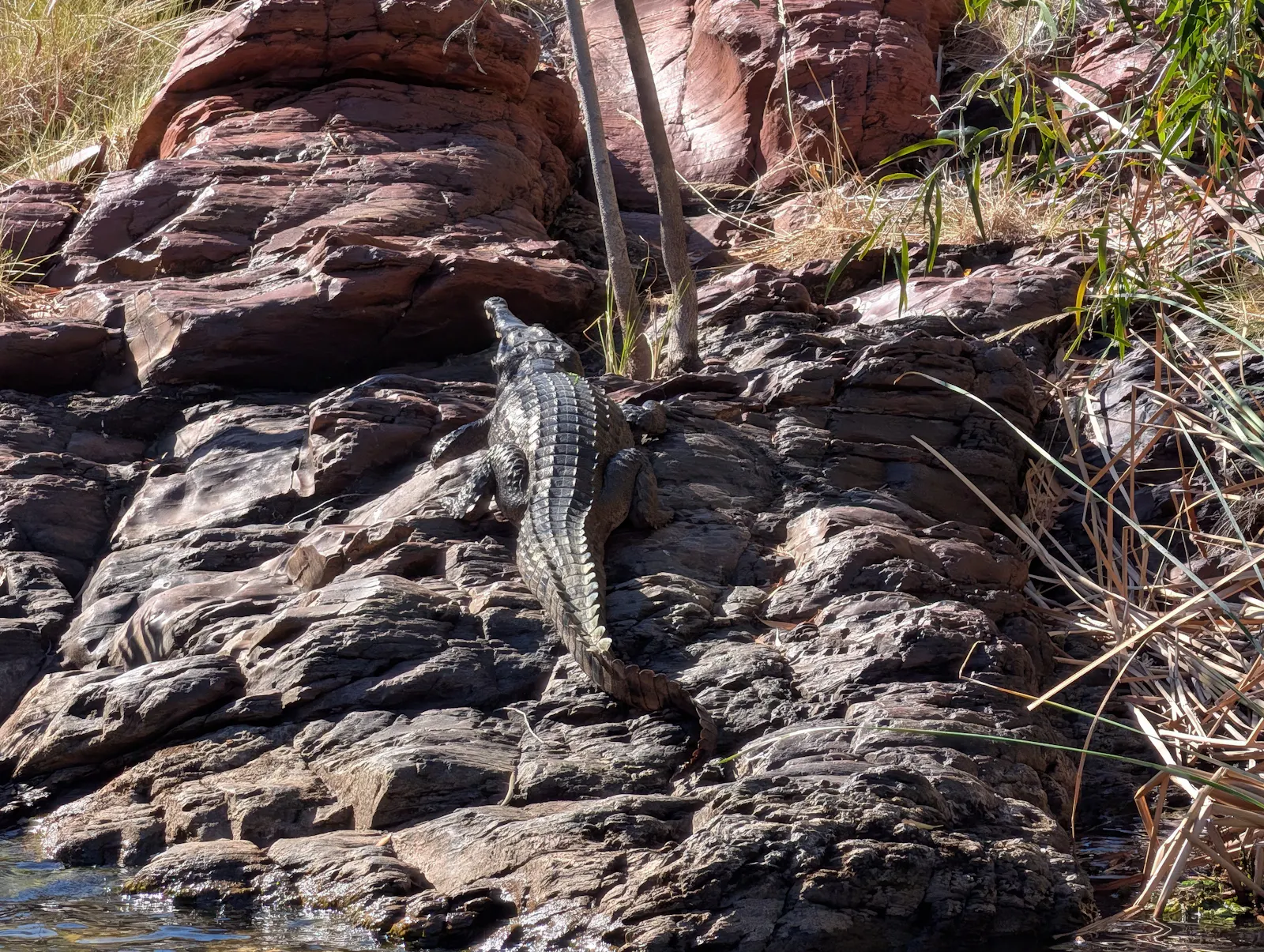
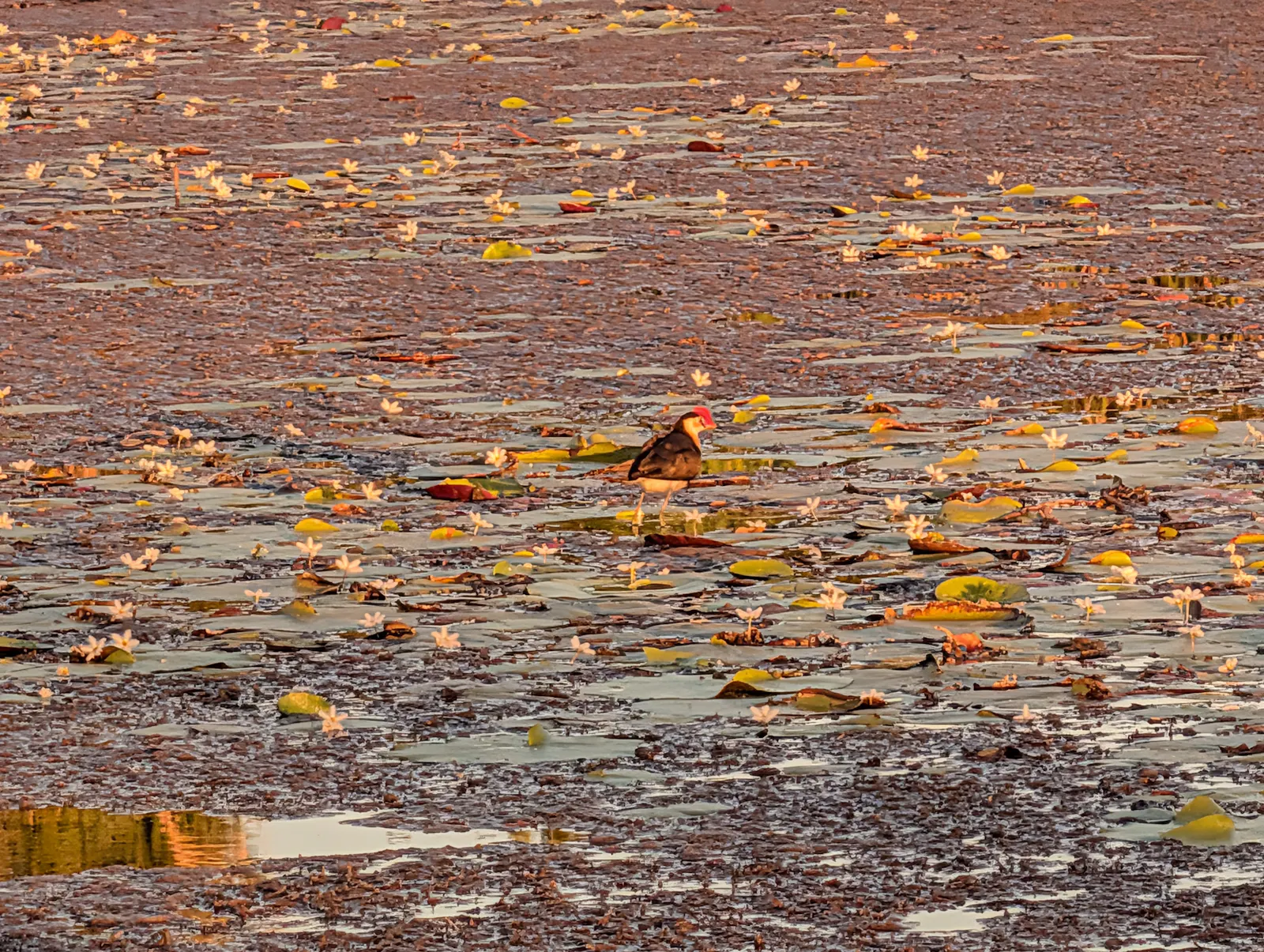
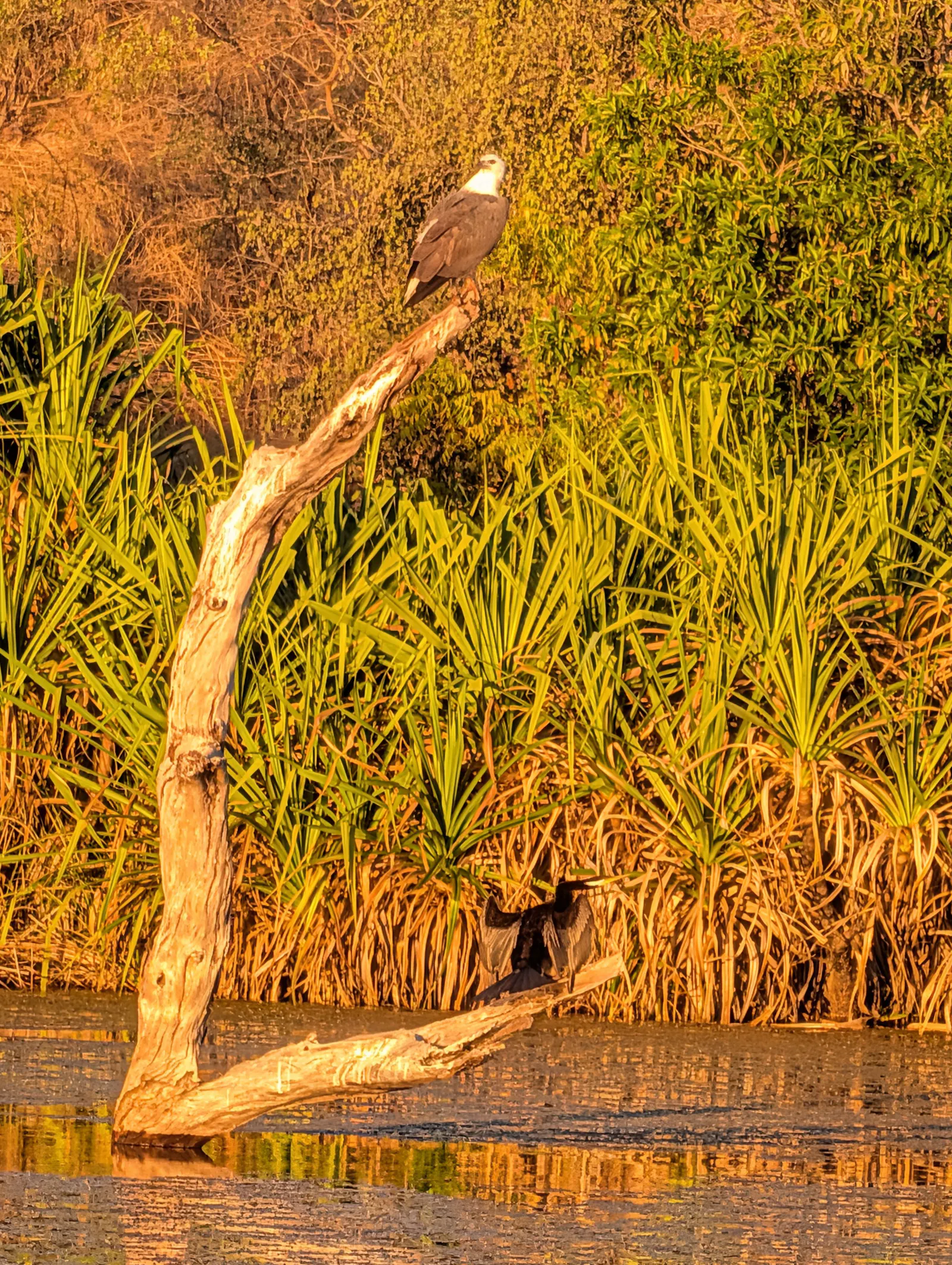
Apart from the fun speedy bits, we also got to stop and check out lots of wildlife along the way. It was particular interesting to hear about the changes that had occurred to the local environment after the dam was created. Damming the Ord River had halted the natural pattern of huge floods in the wet season, where the rivers banks were well and truly broken, to the dry season which saw the river slow to a trickle, with a few larger pools surviving as a water source in all but worst of the dry seasons. Now that the river had a tightly controlled flow all year round, the surrounding environment had changed considerably, and the flora and fauna along the new formation of the river had only had a few decades to adapt.
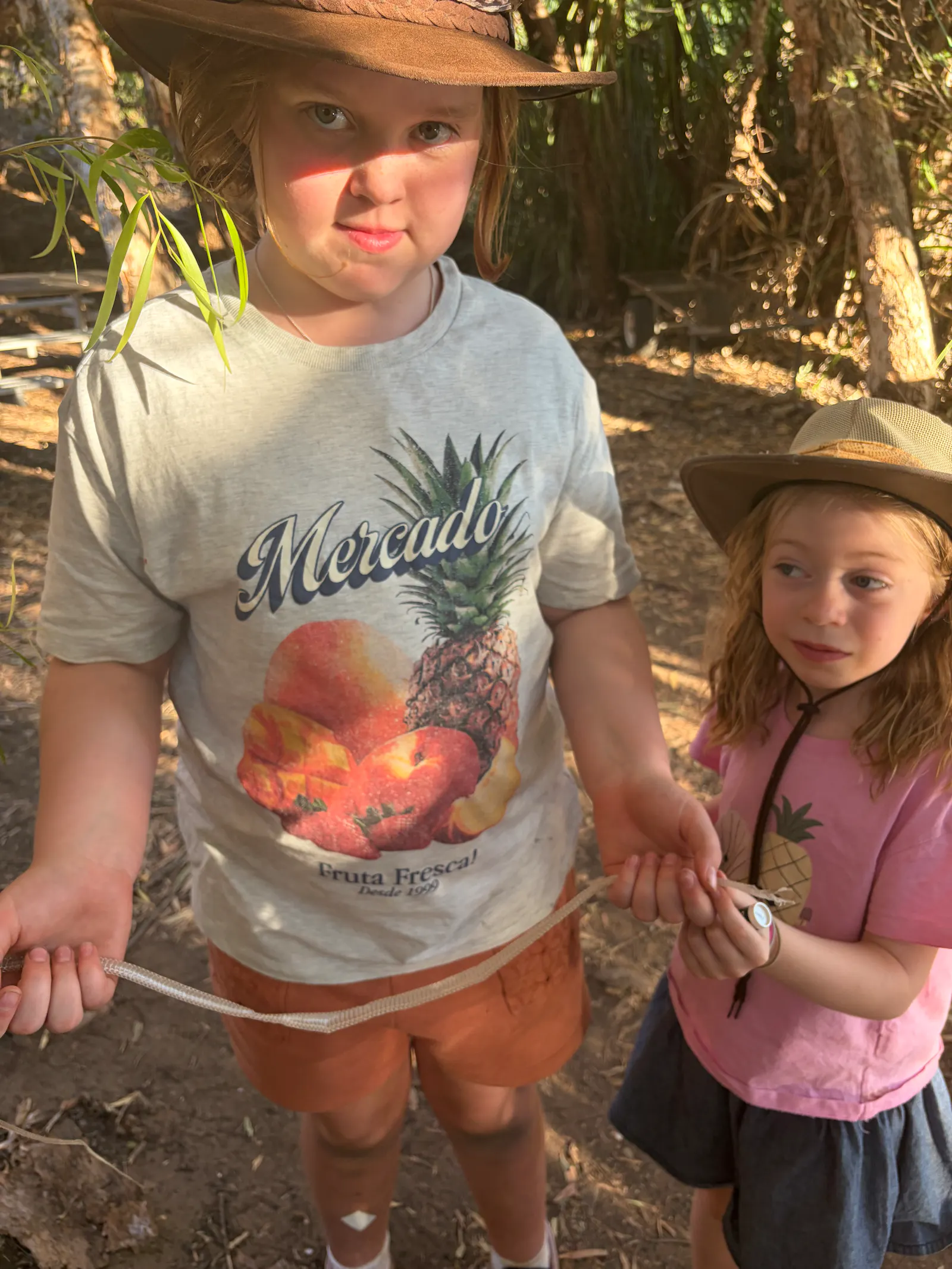
We stopped along the way at a bush picnic spot for a lovely afternoon tea - we watched in amazement as our skipper Josh started carrying out tubs and tubs of supplies, seemingly from thin air. The boat was like Mary Poppins' bottomless bag!!
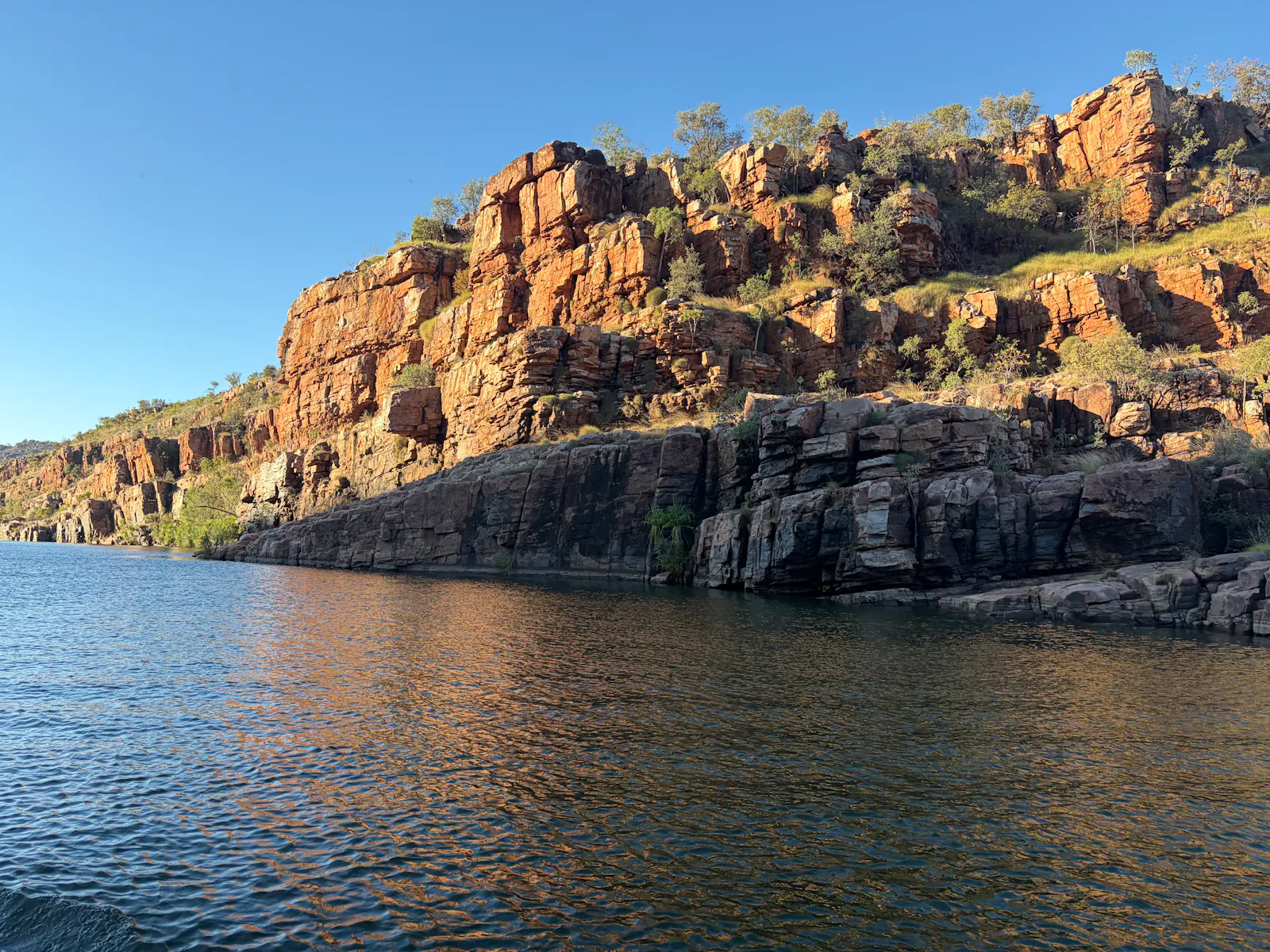
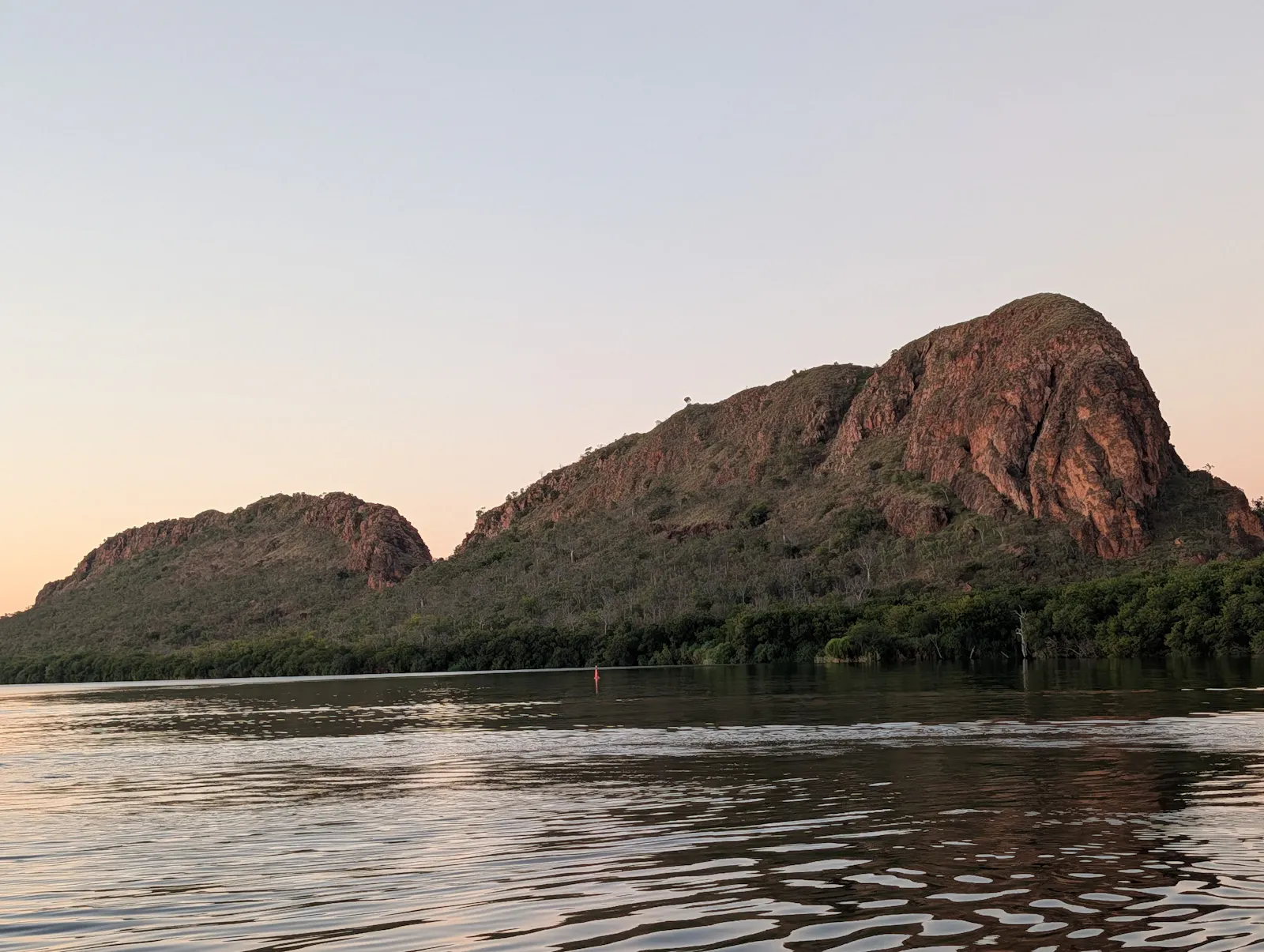
We sailed (or is it drove, if its a power boat?!?!) into Lake Kununurra just as the sun started to set, which was pretty delightful.