Now that we're back out on the road (big ups to Kununurra Toyota for sorting out our intercooler dramas 🎉) I can look back at our time in Kununurra with, well, if not fondness, then at least less angst!
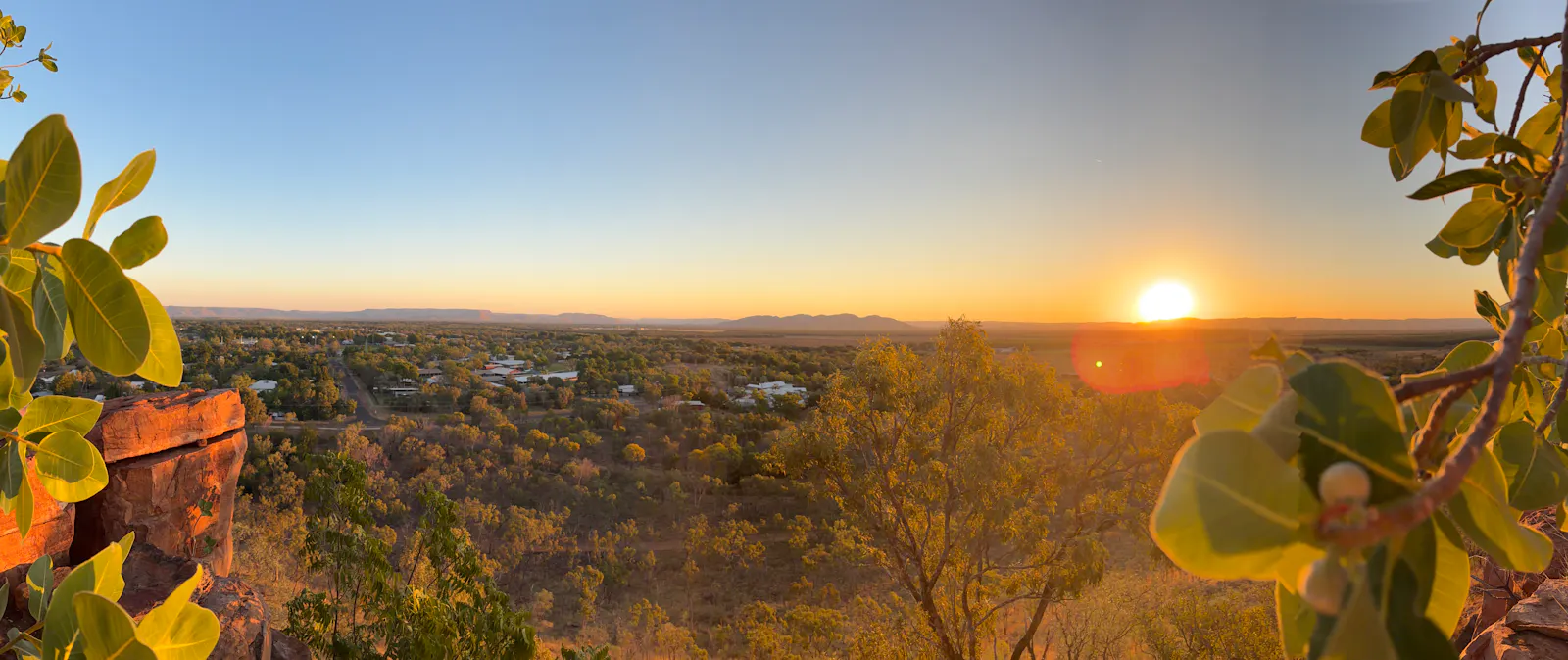
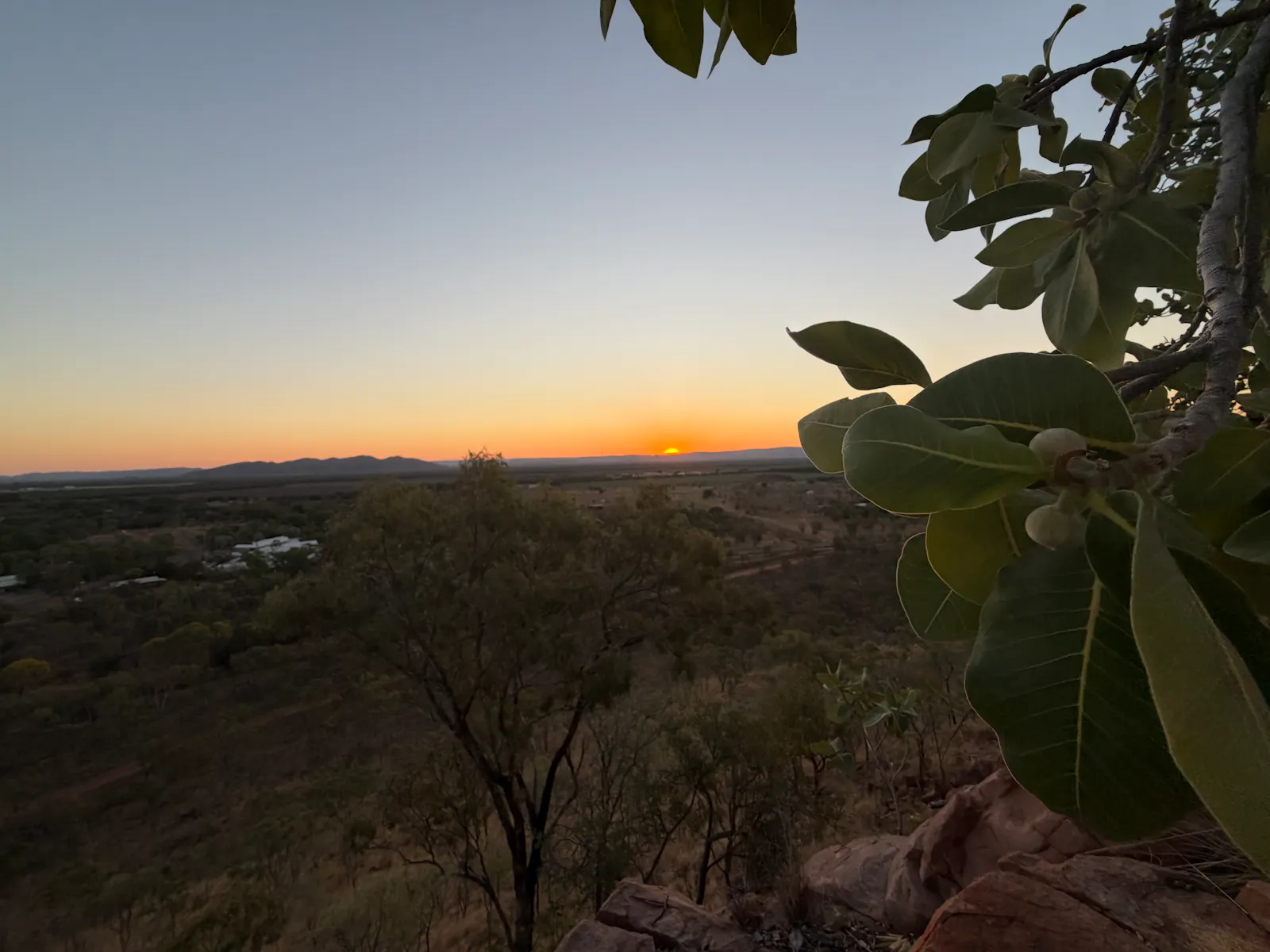
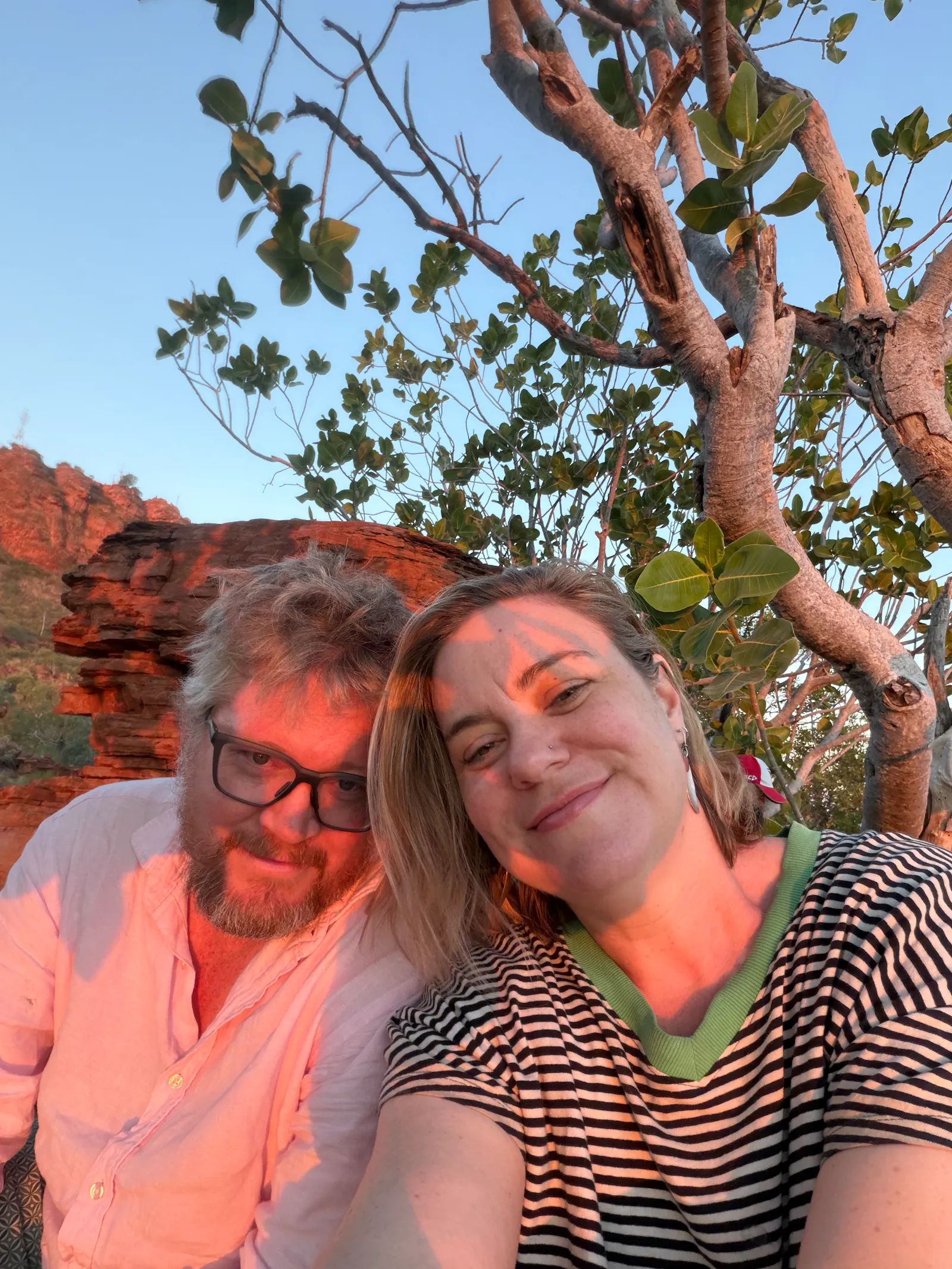
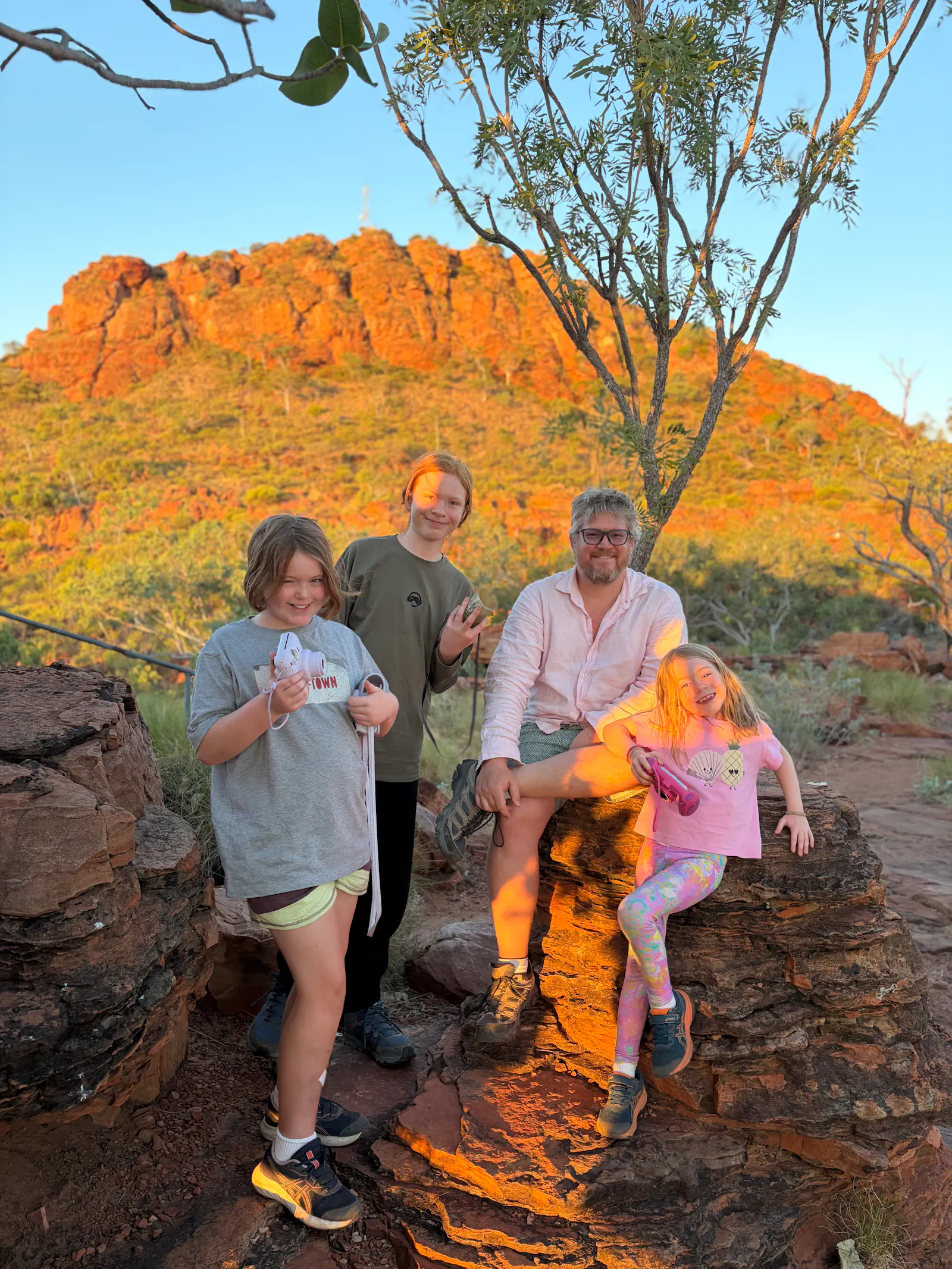
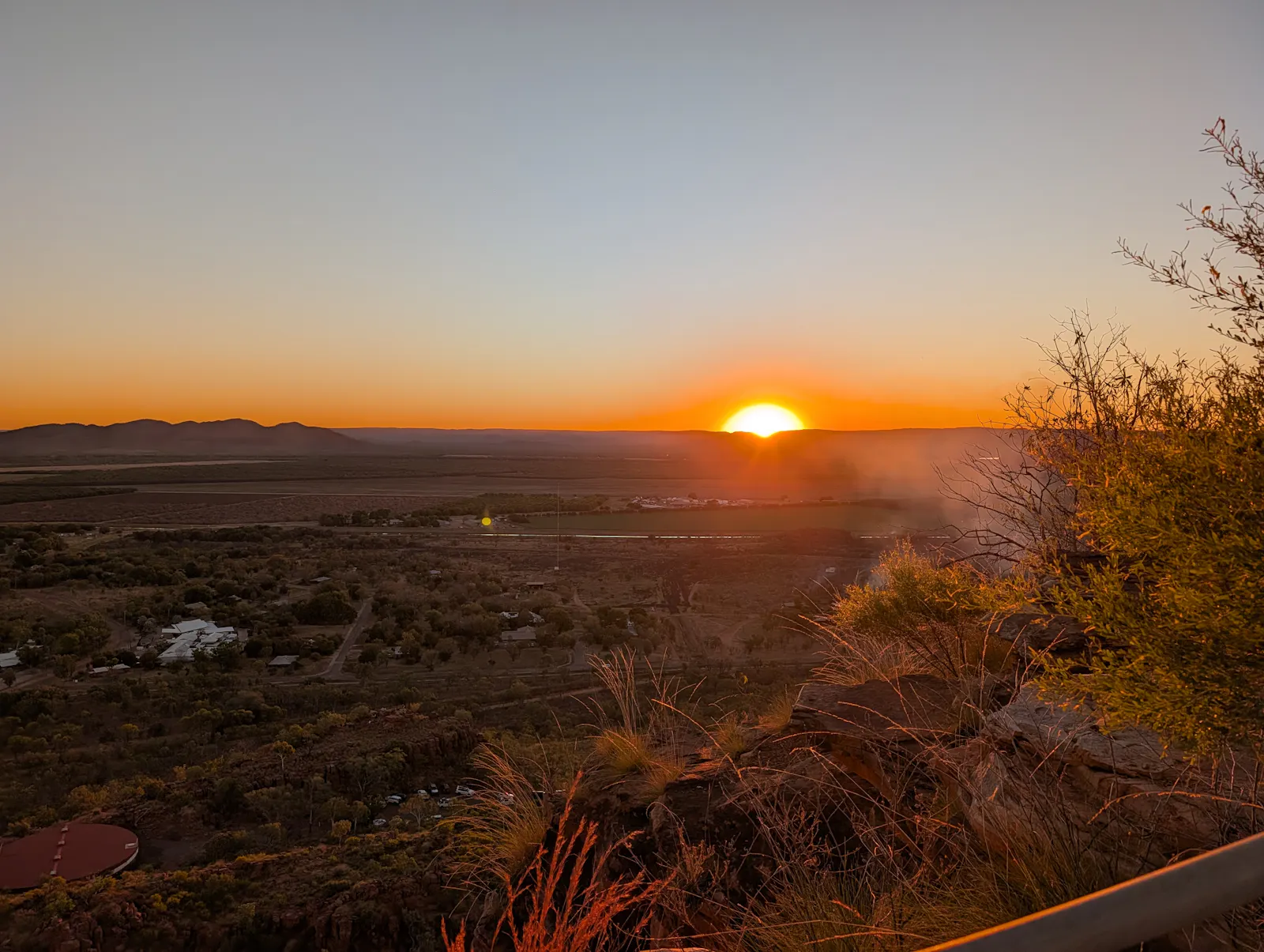
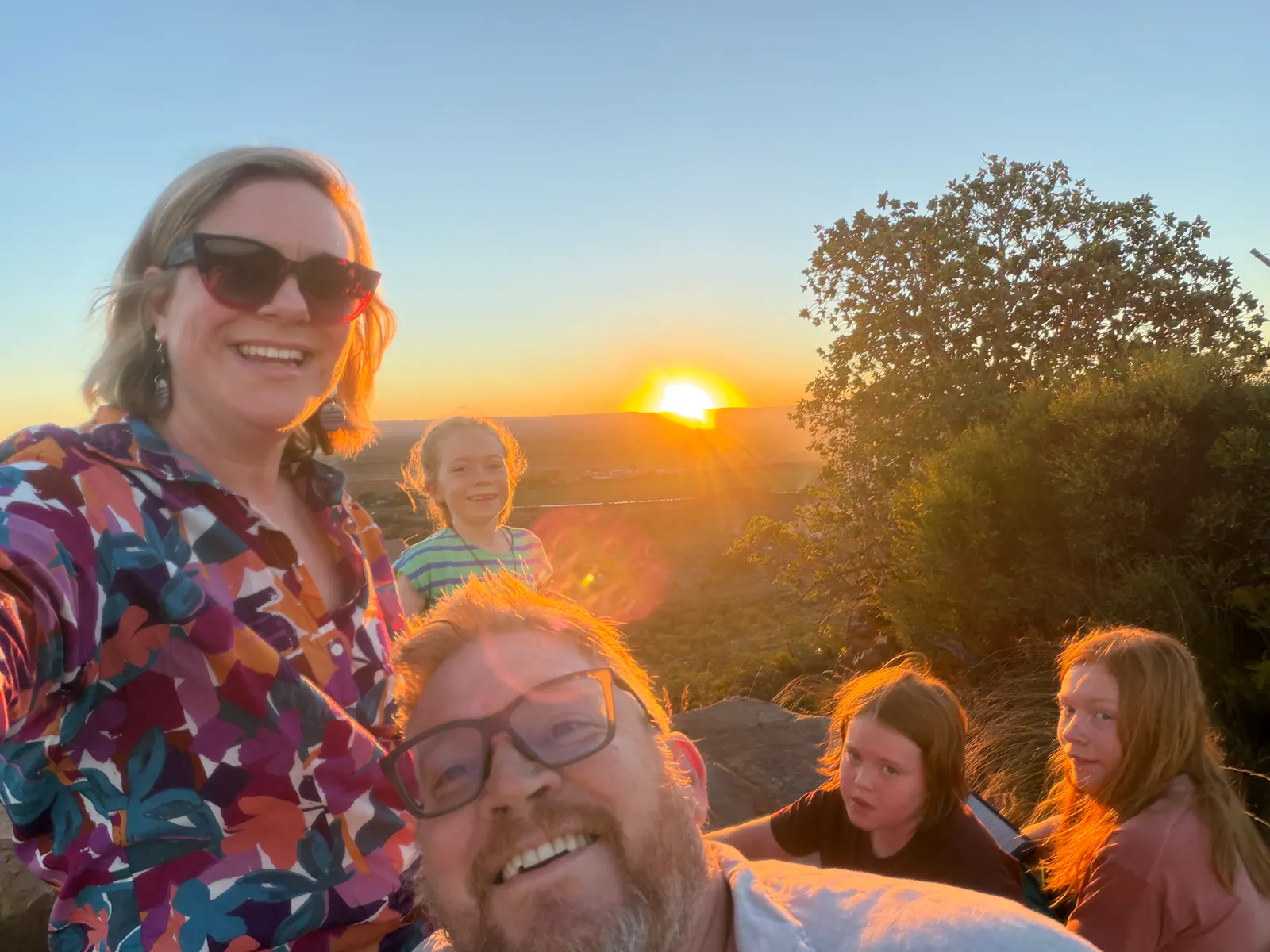
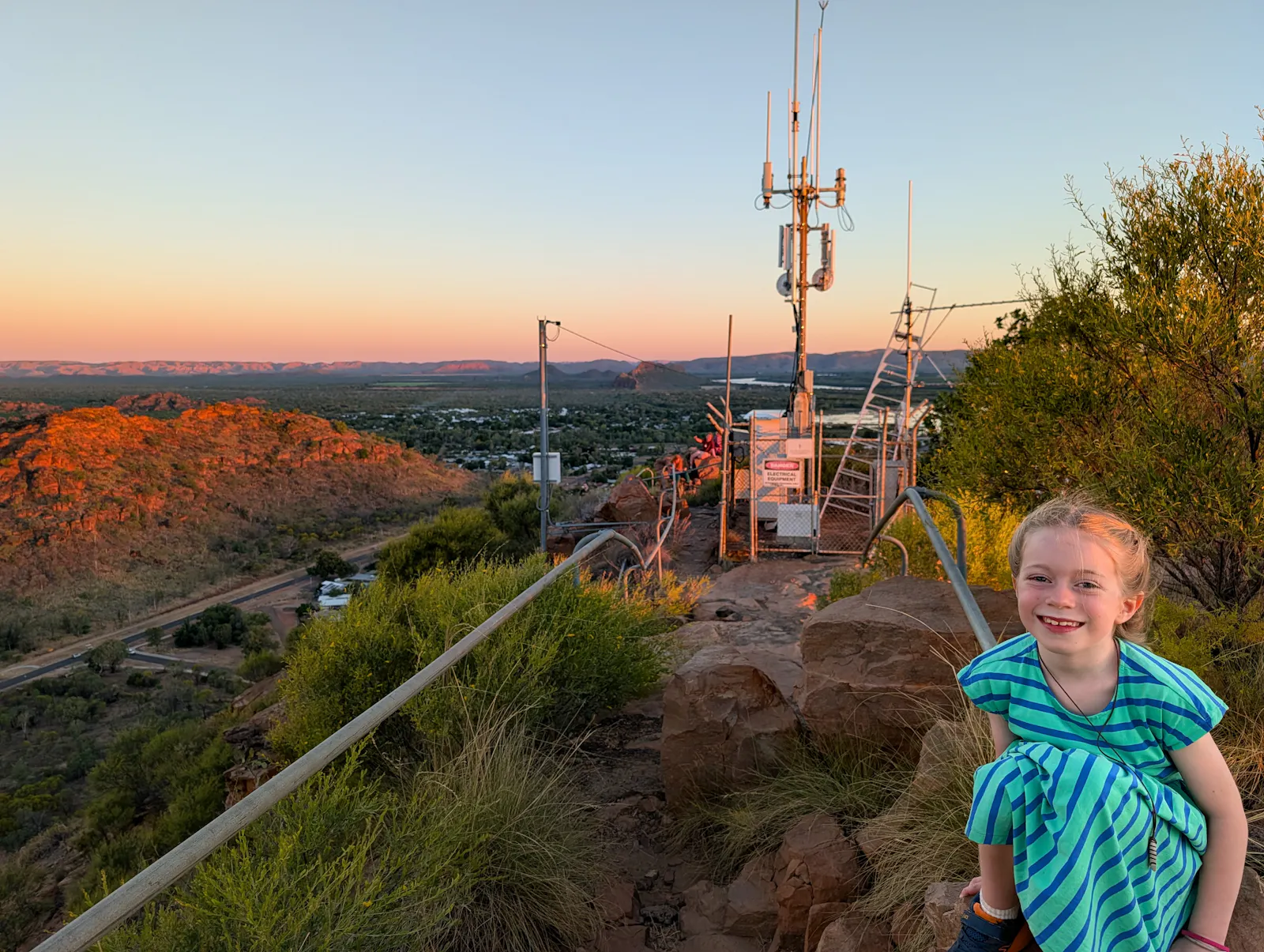
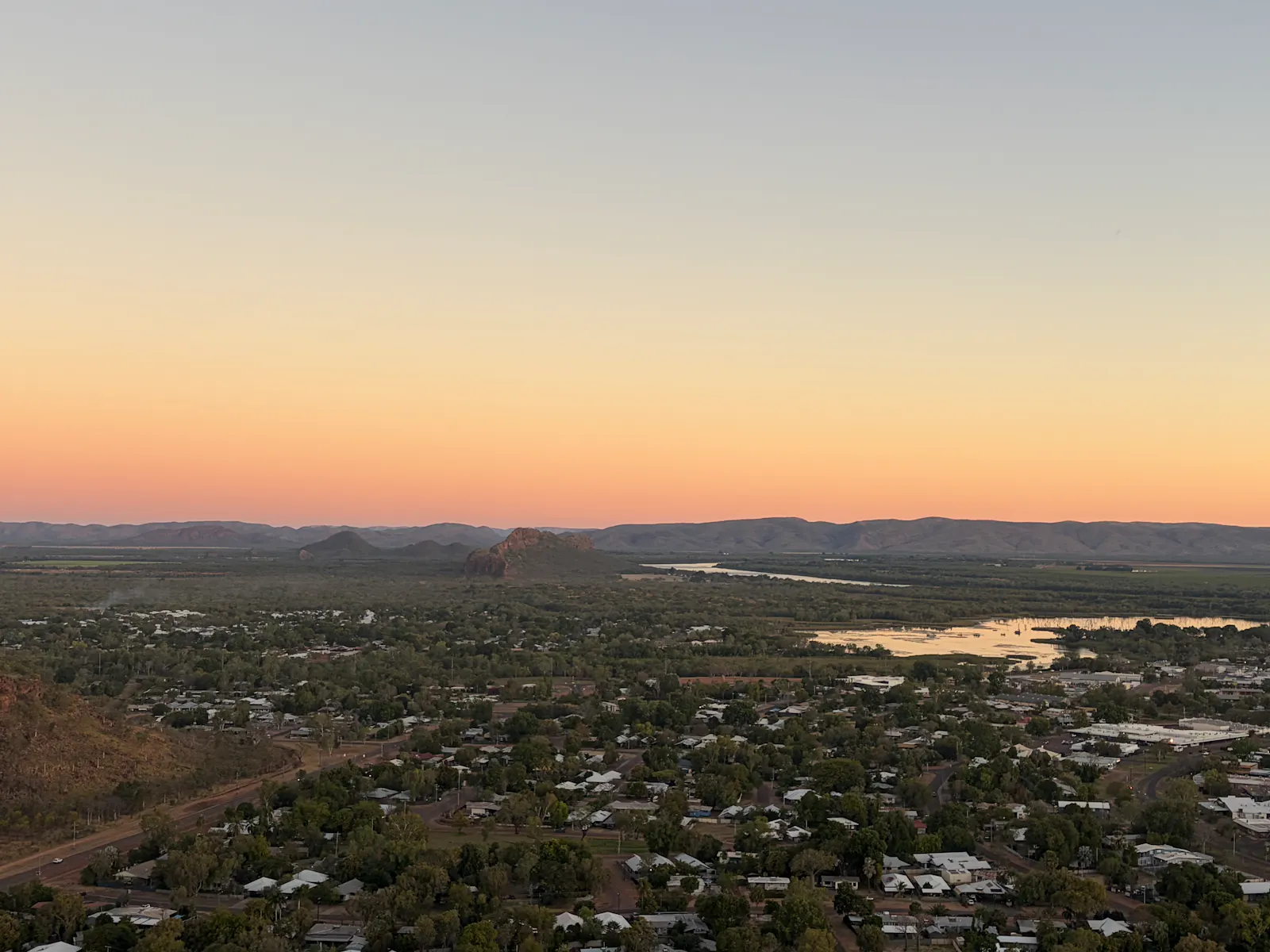
To be fair, we were able to fill in the unplanned extended stay with some pretty cool adventures, caravan park booking mix-ups aside. Apart from our day trip to the Purnululus, we also took a boat ride on Lake Argyle (more on that next post), enjoyed a few lovely meals out, visited the local whiskey distellery, had a a really special visit to the Warringarri Aboriginal Art Centre, as well as not one but two climbs up the local lookout, called Thegoowiyeng (or Kelly's Knob, heh), to see the sunset.
Kununurra is on the lands of the Miriwoong and Gajerrong people. Given the Kimberly was essentially the last frontier of colonisation in Australia, the history of the dispossession and violence of first contact in the area is essentially within living memory. However, as with our last trip, we have been constantly amazed and overwhelmed by the grace and generosity of the local Aboriginal people in sharing their stories and culture.
On the morning we were unceremoniously told we needed to move the caravan we had been booked in to do a tour of the local Aboriginal arts Centre, Waringarri. Toby, Nora and I decided to head over on the off chance we'd be able to join the tour late, and we were very grateful when they allowed us to do so.
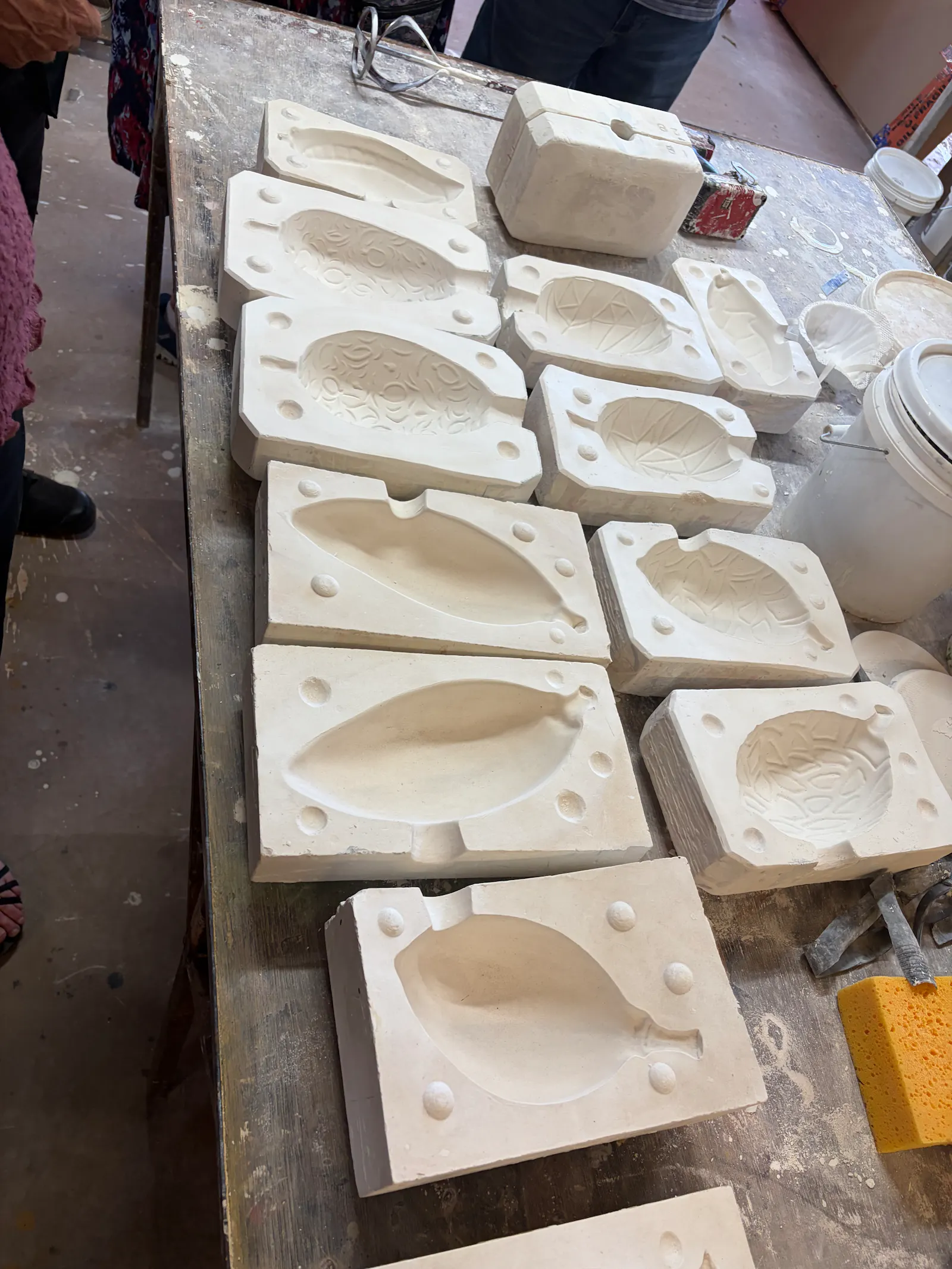
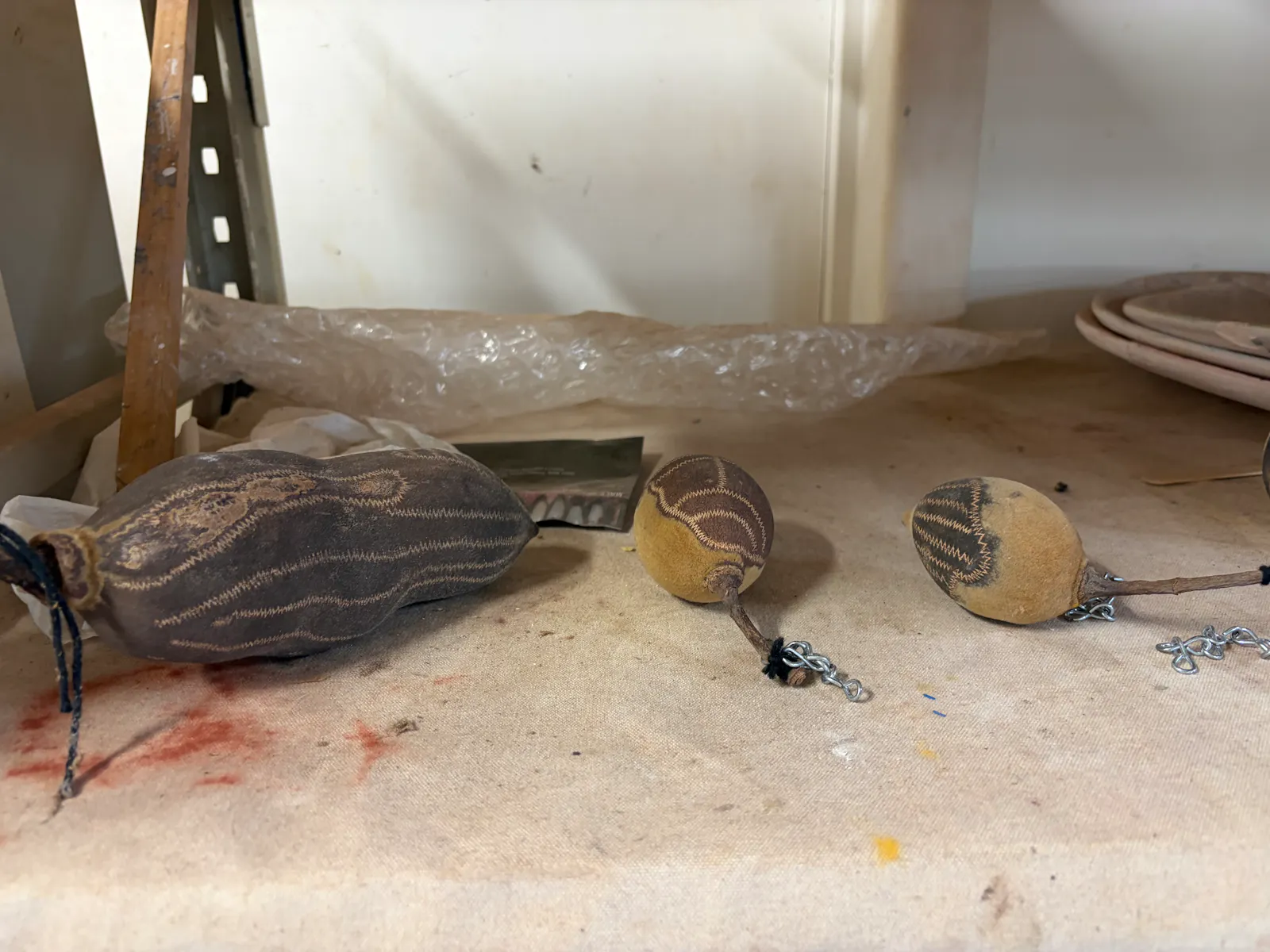
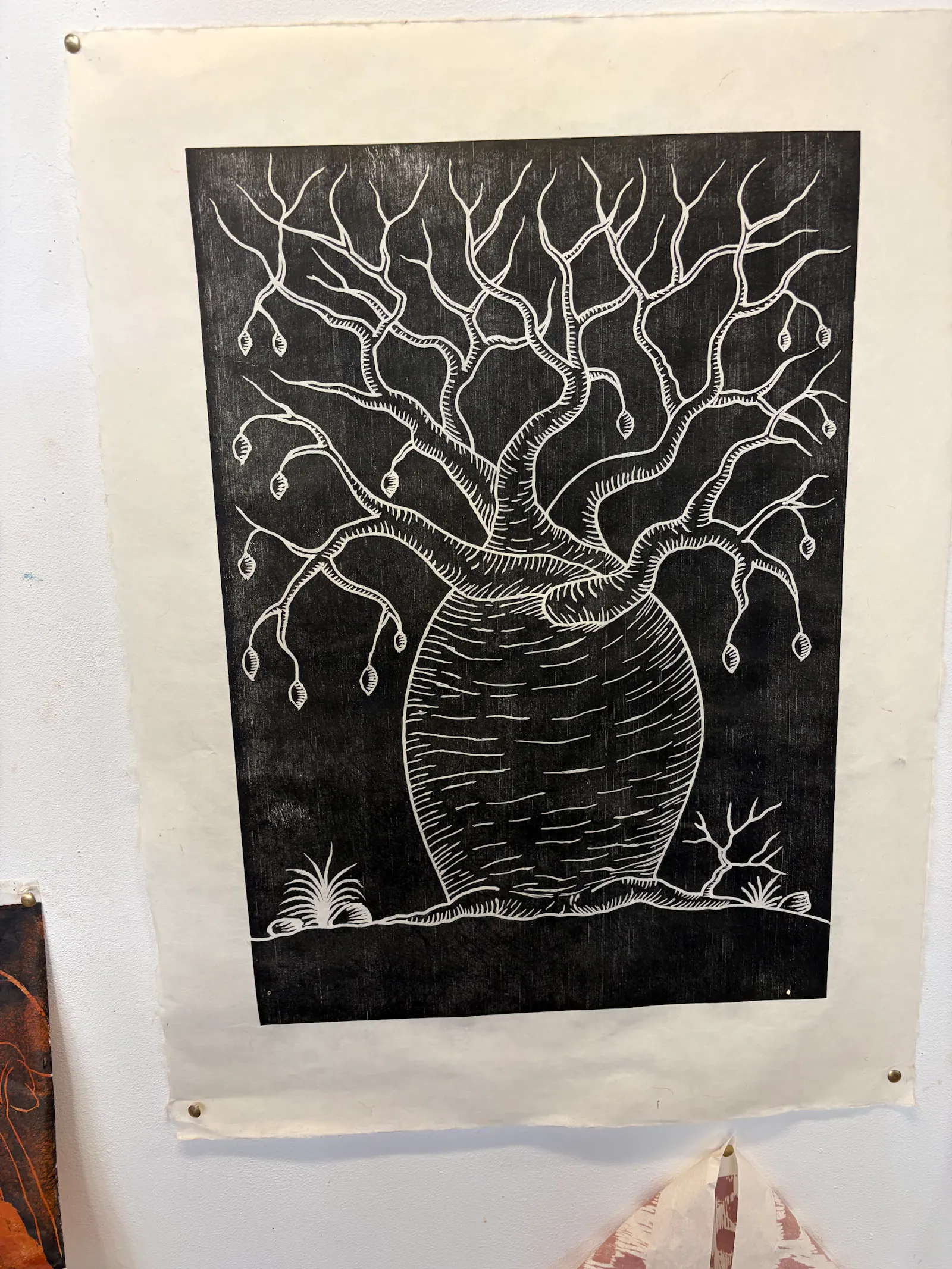
We joined the tour as a local artist Nathan was explaining his process for creating porcelain boab nuts, which was fascinating and labour-intensive. We also saw some of his linoprint work, one of which Toby got on a t-shirt. We then were shown around the gallery with examples of art work from a number of communities around the local area.
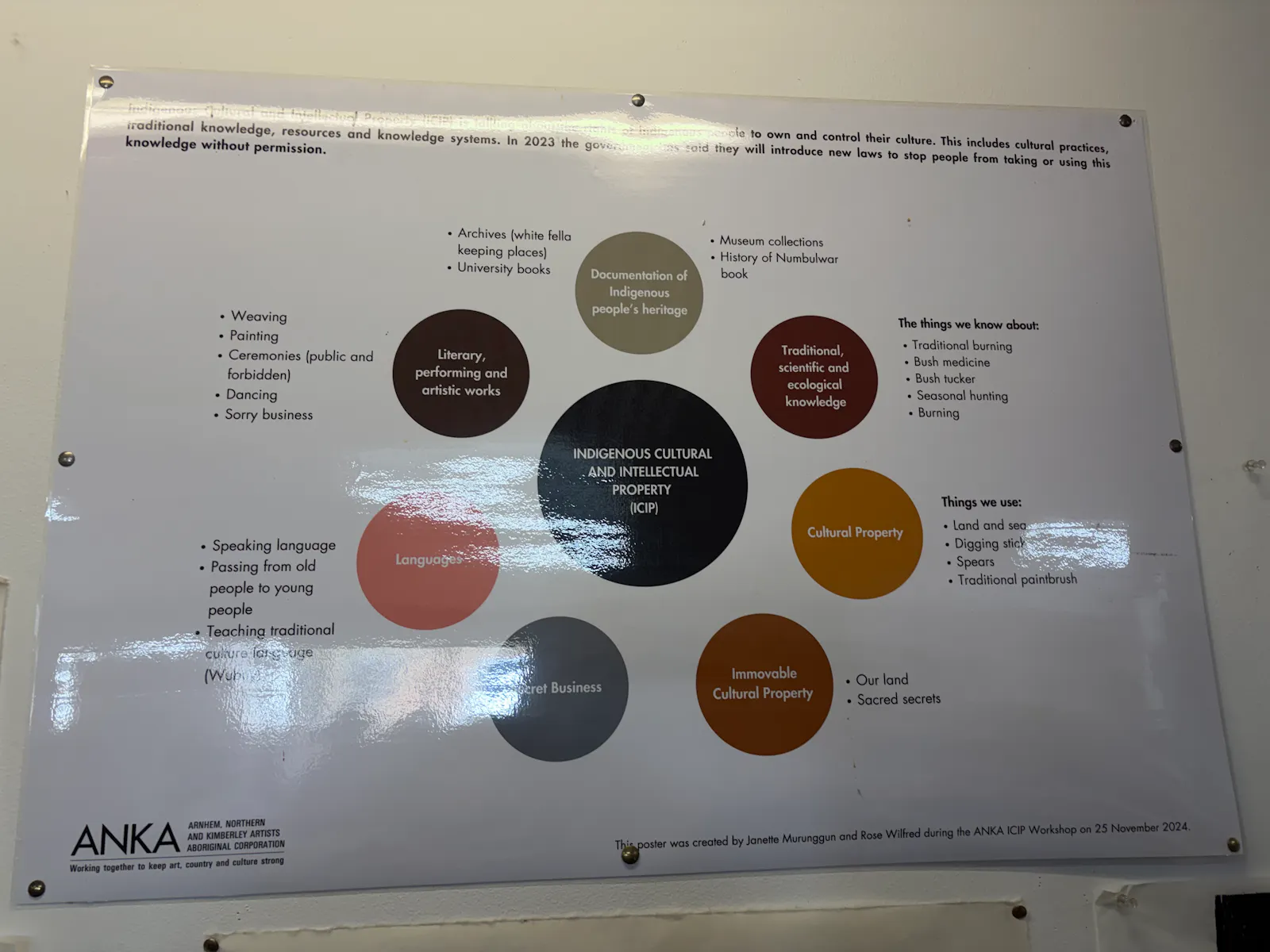
Finally, we sat down with Chris who shared the story of the Mirriwong people, the effects of colonisation and the efforts of community elders to protect, maintain and grow their culture.
Chris told us how the pastoralist moved into the area to claim the land parcels being offered by the Western Australian Government in the late 1800's, creating a number of cattle stations of 1000 square kilometres. This lead to conflict between the local Aboriginal communities, many of whom were killed and / or driven of country. However, many Aboriginal people got jobs on these stations, and were instrumental in their success due to the sharing of traditional knowledge. They were only ever paid in rations, primarily in flour, sugar and tobacco.
However, following the 1967 referendum in which nearly 91 percent of Australians voted yes to the proposed constitutional change to recognise Aboriginal people, the pastoralists were required to pay them actual wages. Instead of doing this, they drove all of their Aboriginal workers off the stations, sometimes with violence, leading the local Aboriginal communities to refer to the era as 'The Killing Times'. All of the former workers and their communities were forced to live on a reservation on the outskirts of the new formed town of Kununurra, travelling by foot into town daily to work then return by a night time curfew, and prohibited from tradition practices such as hunting and gathering with their weapons such as spears and boomerangs taken from them.
We then heard how, on the walk to and from work from the reservation, the workers would stop to sit in the shade of trees for a yarn in a particular spot, which became the inspiration for the the creation of a language school, radio station and art centre in the 1980s. Which of course was the very spot we were sitting in a circle, under the shade of a large tree, hearing about the amazing strength of these elders and their communities in not only surviving but maintaining and growing their culture and community.
Chris then told us about the connections between all of the different Aboriginal groups in the Kimberly, and how they used to gather together in the area that is now Lake Argyle to share and trade goods and culture. The example he gave was that the Mirriwong people had good sources of red ochre and would trade this with other local tribes, for example for permission to use the didgeridoo and specific songs with the neighbouring group from the Keep River in Northern Territory. He explained that an important part of this trade was that his community had to always acknowledge that the instrument and songs were not theirs, but had been given to them by their neighbours. He then told us how his grandfather was a song-man who knew these songs, and challenged Chris to take over this mantel when needed. Chris didn't think he would need to worry any time soon, but then when his grandfather died he decided to take recordings of the songs and learn them, and he then performed 3 songs for us, noting that they were in another language that he couldn't speak but could sing.
While listening to the beautiful music we were also treated to some delicious damper and golden syrup, which we all very much enjoyed!
On our last day in town we headed out to visit Kimberly Ornamental Stonecraft, a lovely shop / gallery with a wide display of beautiful scupltures, artwork and jewellry featuring zebra rock, a geological anomally only found in the Kununurra area. Unfortunately we didnt take any photos, but we did buy a thing or two, so we'll be able to show you them in person when we get home! The lovely shop owner spent so much time with us telling us about how she and her family were from Forbes in NSW and were travelling around the country 30 year ago, but when they got to Kununurra and learned about zebra rock they were hooked and havent left since. She also explained the different versions of zebra rock including the rarest, astromemite, which was formed by volcanic ash landing in the rock, and okapi rock, which is named after endangered animal from the Democratic Republic of the Conga which is related to the girraffe. It is NOT a hybrid animal made from the interbreeding of zebra and girraffe, no matter what people tell you!
She also gave the kids some tips about how to polish, cut and laquer the zebra stone, so dont be suprised if we make at least one visit to a local lapidary club on our return.